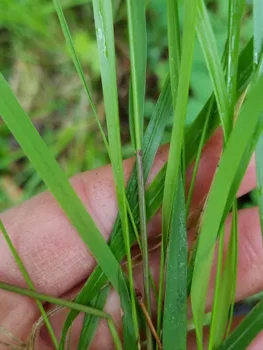
False Melic: A Rare Native Grass Worth Protecting in Your Garden
If you’re looking for a native grass that’s both beautiful and beneficial to local ecosystems, false melic (Schizachne purpurascens) might be just what you need. This delicate perennial grass offers a graceful presence in naturalized gardens while supporting North America’s native plant heritage. But there’s a catch – this lovely grass is becoming increasingly rare in some areas, making it both a conservation priority and a gardening treasure.
What Makes False Melic Special?
False melic is a charming perennial grass that brings an airy, delicate texture to any garden setting. Its fine foliage and purplish-tinged flower panicles create a soft, naturalized look that’s perfect for gardeners who appreciate subtle beauty over flashy displays. As a member of the grass family, it adds movement and texture to landscapes while maintaining a refined, understated presence.
This native species goes by several scientific names throughout history, including Melica purpurascens and Trisetum purpurascens, reflecting its complex taxonomic journey. Despite the name changes, its value to native ecosystems has remained constant.
Where False Melic Calls Home
False melic boasts an impressive native range across North America. You’ll find this grass naturally growing from Alaska down through Canada and into many U.S. states, including Colorado, Connecticut, Florida, Illinois, Maine, Montana, New York, Pennsylvania, Vermont, and many others. Its wide distribution speaks to its adaptability, though it’s becoming scarce in some regions.
- Species observed
- No observations
A Conservation Concern
Important note for New Jersey gardeners: False melic is listed as endangered in New Jersey with a rarity status of S1.1, meaning it’s critically imperiled in the state. If you’re considering adding this grass to your New Jersey garden, please only use responsibly sourced, locally appropriate plant material and consider it a conservation effort rather than just a landscaping choice.
Growing Conditions and Habitat Preferences
Understanding false melic’s wetland preferences can help you choose the right spot in your garden:
- Most regions: Facultative upland – prefers drier sites but can tolerate some moisture
- Alaska: Facultative – equally comfortable in wet or dry conditions
- Western Mountains: Obligate upland – strongly prefers dry, well-drained sites
This grass thrives in USDA hardiness zones 2-6, making it an excellent choice for northern gardeners dealing with harsh winters. It prefers partial shade to full sun and performs best in cool, humid conditions with consistent but not excessive moisture.
Perfect Garden Settings
False melic shines in several garden styles:
- Naturalized landscapes: Creates authentic native plant communities
- Woodland gardens: Adds texture under trees and shrubs
- Conservation gardens: Supports local biodiversity and rare plant preservation
- Rain gardens: Can handle variable moisture conditions in most regions
Planting and Care Tips
Once established, false melic is refreshingly low-maintenance:
- Soil: Prefers well-drained, moist soils but adapts to various conditions
- Watering: Provide consistent moisture during establishment, then it’s quite drought-tolerant
- Maintenance: Minimal care required; may self-seed in favorable conditions
- Spacing: Allow room for natural spreading and self-seeding
Wildlife and Ecosystem Benefits
While false melic is wind-pollinated and doesn’t directly attract pollinators like flowering plants do, it provides valuable ecosystem services. Native grasses like false melic offer nesting materials for birds, shelter for small wildlife, and help create the structural diversity that healthy ecosystems need.
Should You Plant False Melic?
If you’re in false melic’s native range and can source plants responsibly, absolutely! This grass offers several compelling reasons to include it in your landscape:
- Supports local native plant conservation
- Requires minimal maintenance once established
- Provides authentic regional character
- Adapts to various growing conditions
- Contributes to biodiversity
Just remember – especially in areas where it’s rare – to source your plants from reputable native plant nurseries that propagate locally appropriate genetics. By choosing false melic, you’re not just adding a beautiful grass to your garden; you’re participating in the preservation of North America’s native plant heritage.
Whether you’re creating a woodland garden, establishing a naturalized landscape, or simply want to support local biodiversity, false melic offers a perfect blend of beauty, ecological value, and conservation significance that makes it truly worth growing.