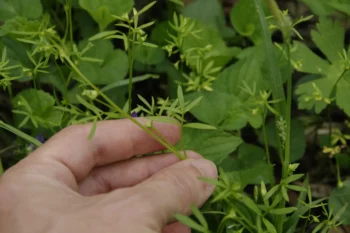
False Mermaidweed: A Delicate Native Ground Cover for Shady, Moist Gardens
If you’re searching for a charming native ground cover that thrives in those tricky moist, shady spots in your garden, false mermaidweed (Floerkea proserpinacoides) might just be the perfect solution. This delicate annual forb brings a touch of woodland magic to gardens across North America with its feathery foliage and tiny white flowers.
What is False Mermaidweed?
False mermaidweed is a small, annual forb native to both Canada and the United States. As a forb, it’s a non-woody vascular plant that completes its entire life cycle in a single growing season. Don’t let its delicate appearance fool you – this little native is surprisingly adaptable and can be found thriving across a remarkably wide range of North American landscapes.
Where Does False Mermaidweed Grow Naturally?
This widespread native has one of the most impressive natural distributions you’ll find in North American plants. False mermaidweed grows naturally across an extensive range including British Columbia, California, Nova Scotia, Ontario, Quebec, and numerous U.S. states from coast to coast including Colorado, Connecticut, Delaware, Idaho, Illinois, Indiana, Iowa, Kentucky, Louisiana, Maryland, Massachusetts, Michigan, Minnesota, Missouri, Montana, Nevada, New Jersey, New York, North Dakota, Ohio, Oregon, Pennsylvania, Tennessee, Utah, Vermont, Virginia, Washington, West Virginia, Wisconsin, and Wyoming.
- Species observed
- No observations
Why Grow False Mermaidweed in Your Garden?
There are several compelling reasons to consider adding this native beauty to your landscape:
- Native plant benefits: As a true North American native, it supports local ecosystems and requires no special care once established
- Perfect for problem spots: Thrives in moist, shady areas where many other plants struggle
- Low maintenance: Annual habit means it self-seeds and returns each year without your intervention
- Pollinator friendly: Small white flowers attract beneficial insects and flies
- Delicate beauty: Fine, feathery foliage and tiny flowers add texture and interest to woodland gardens
Ideal Garden Settings
False mermaidweed shines in several garden types:
- Woodland gardens and naturalized areas
- Rain gardens and bioswales
- Shady borders with consistent moisture
- Native plant gardens
- Areas alongside streams or ponds
Growing Conditions and Care
Understanding false mermaidweed’s moisture preferences is key to success. This plant has varying wetland status across different regions, but generally prefers facultative wetland conditions – meaning it usually occurs in wetlands but can tolerate some non-wetland conditions too.
Preferred conditions include:
- Moist to wet, well-draining soils
- Partial to full shade
- Cool, humid environments
- USDA hardiness zones 3-8
- Consistent moisture throughout the growing season
Planting and Care Tips
Growing false mermaidweed successfully is surprisingly straightforward once you understand its needs:
- Timing: Direct seed in fall for best germination rates
- Moisture: Keep soil consistently moist but not waterlogged
- Self-seeding: Allow plants to go to seed naturally for next year’s display
- Minimal care: Once established, this native requires little intervention
- Companion planting: Pairs beautifully with other shade-loving natives like wild ginger and trilliums
Things to Consider
While false mermaidweed is a wonderful native option, there are a few things to keep in mind:
- Annual habit means it will die back each winter
- Requires consistent moisture – not suitable for dry shade
- Small size means it works best as part of a larger planting scheme
- May self-seed prolifically in ideal conditions
False mermaidweed offers gardeners a chance to support native ecosystems while adding delicate beauty to challenging moist, shady spots. Its widespread natural distribution speaks to its adaptability, making it an excellent choice for gardeners across much of North America who want to embrace native plant gardening. With minimal care requirements and maximum ecological benefits, this charming little forb deserves a place in more native plant gardens.