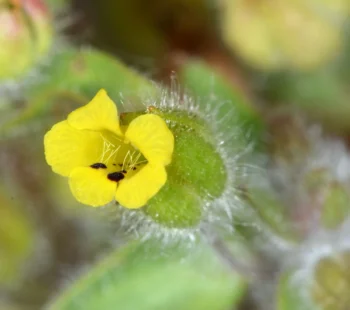
False Monkeyflower: A Tiny Native Gem for Wet Spots in Your Garden
Meet the false monkeyflower (Mimetanthe pilosa), a charming little native annual that proves good things really do come in small packages. Don’t let its diminutive size fool you – this petite powerhouse packs a surprising punch when it comes to adding color and supporting local wildlife in those tricky wet spots of your garden.
What Makes False Monkeyflower Special?
Also known by its scientific name Mimetanthe pilosa (formerly Mimulus pilosus), this delightful forb belongs to a group of plants that lack woody stems but make up for it with personality. As an annual, false monkeyflower completes its entire life cycle in just one growing season, making it a fast-acting solution for gardeners who want quick results.
Where Does It Call Home?
False monkeyflower is proudly native to the western United States, naturally occurring across seven states: Arizona, California, Idaho, Nevada, Oregon, Utah, and Washington. This impressive range speaks to its adaptability and resilience – qualities that make it an excellent choice for native plant enthusiasts.
- Species observed
- No observations
A Plant That Loves to Get Its Feet Wet
Here’s where false monkeyflower really shines: it absolutely loves moisture. With a Facultative Wetland status in both the Arid West and Western Mountains regions, this little beauty usually prefers wetland conditions but can adapt to drier spots when needed. This flexibility makes it perfect for:
- Rain gardens and bioswales
- Pond margins and stream edges
- Seasonal wet areas that dry out in summer
- Low-lying spots in your yard that stay soggy
Why Your Garden (and Local Wildlife) Will Love It
False monkeyflower may be small, but it plays a big role in supporting local ecosystems. Its tiny yellow flowers, which resemble miniature snapdragons, provide nectar for small native bees and other petite pollinators that larger flowers can’t accommodate. As a native species, it has co-evolved with local wildlife, making it a valuable addition to any wildlife-friendly garden.
From a design perspective, false monkeyflower works beautifully as a groundcover in naturalized areas. Its low, spreading growth habit helps fill in spaces between larger plants, creating a lush carpet of green topped with cheerful yellow blooms during its flowering season.
Growing False Monkeyflower Successfully
The good news? False monkeyflower is remarkably easy to grow once you understand its preferences. Here’s what this moisture-loving native needs to thrive:
Ideal Growing Conditions
- Sunlight: Full sun to partial shade
- Soil: Moist to wet soils; tolerates clay and seasonal flooding
- Water: Consistent moisture during the growing season
- Climate zones: Generally suitable for USDA zones 8-10, depending on your local conditions
Planting and Care Tips
Since false monkeyflower is an annual, the easiest way to establish it is through direct seeding. Scatter seeds in fall or early spring when soil moisture is naturally higher. The plant will self-seed readily once established, so you may find delightful surprises popping up in subsequent years.
During its growing season, maintain consistent soil moisture – this isn’t a plant that appreciates drought stress. The beauty of choosing a species that naturally occurs in wet areas is that you’re working with nature rather than against it.
Is False Monkeyflower Right for Your Garden?
Consider adding false monkeyflower to your garden if you:
- Have naturally wet or seasonally moist areas
- Want to support native pollinators and wildlife
- Prefer low-maintenance plants that self-seed
- Are creating a rain garden or bioswale
- Love the idea of tiny, cheerful flowers brightening soggy spots
While we don’t have specific information about potential drawbacks, remember that as an annual, false monkeyflower will complete its life cycle each year. Some gardeners love the ever-changing nature of annuals, while others prefer the consistency of perennials.
A Small Plant with Big Impact
False monkeyflower proves that native plants don’t have to be showy to be valuable. This modest little annual offers an elegant solution for wet garden areas while providing crucial support for native pollinators. Plus, there’s something deeply satisfying about growing a plant that truly belongs in your local ecosystem – it’s like welcoming an old friend home.
So the next time you’re staring at that soggy spot in your yard wondering what on earth to plant there, consider giving false monkeyflower a try. Your garden – and the tiny pollinators that visit it – will thank you.