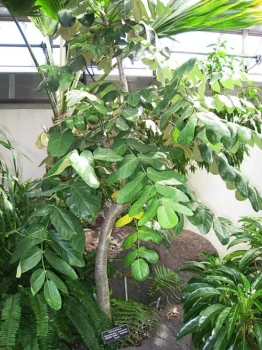
False ‘Ohe: Hawaii’s Critically Endangered Native Tree Worth Protecting
If you’re passionate about Hawaiian native plants and conservation gardening, you’ve probably heard whispers about some of the islands’ rarest botanical treasures. Meet the false ‘ohe (Munroidendron racemosum), a critically endangered tree that represents both the beauty and fragility of Hawaii’s unique ecosystem.
What Makes False ‘Ohe Special?
This perennial tree, known botanically as Munroidendron racemosum, is one of Hawaii’s most endangered native species. As a woody plant with a single trunk, it typically grows greater than 13 to 16 feet in height under ideal conditions, though environmental factors can sometimes result in shorter, multi-stemmed growth forms.
The false ‘ohe belongs to an incredibly exclusive club – with a Global Conservation Status of S1, it’s considered critically imperiled. This means there are typically only 5 or fewer occurrences in the wild, with very few remaining individuals (fewer than 1,000 total). When you encounter this tree, you’re looking at one of nature’s rarest gems.
Where Does False ‘Ohe Come From?
This remarkable tree is endemic to Hawaii, meaning it exists nowhere else on Earth. Its distribution is limited to the Hawaiian Islands, making it a true local treasure that has evolved in isolation over thousands of years.
- Species observed
- No observations
Should You Grow False ‘Ohe?
Here’s where things get both exciting and serious. If you’re a dedicated native plant gardener in Hawaii, growing false ‘ohe can be an incredibly meaningful way to participate in conservation efforts. However, this isn’t a plant you can casually add to your garden cart.
Important Conservation Note: Due to its critically imperiled status, you should only consider growing false ‘ohe if you can source it from reputable native plant organizations, botanical gardens, or conservation programs. Never collect from wild populations – every individual in the wild is precious for the species’ survival.
Garden Design and Landscape Role
In the right setting, false ‘ohe serves as a conversation starter and conservation showcase. It’s best suited for:
- Hawaiian native plant gardens
- Conservation-focused landscapes
- Educational botanical displays
- Specialized rare plant collections
This isn’t a tree for general landscaping – think of it more as a living piece of natural history that requires dedicated care and respect.
Growing Conditions and Care
As a Hawaiian native, false ‘ohe thrives in tropical conditions corresponding to USDA hardiness zone 11. While specific growing requirements aren’t widely documented due to the plant’s rarity, most Hawaiian native trees prefer:
- Well-draining soil
- Protection from strong winds
- Consistent moisture without waterlogging
- Partial shade to filtered sunlight
Given its endangered status, successful cultivation often requires consultation with native plant experts or participation in formal conservation programs.
Wildlife and Ecosystem Benefits
While specific wildlife benefits aren’t well-documented, Hawaiian native trees typically play important roles in supporting local ecosystems. As part of Hawaii’s original flora, false ‘ohe likely evolved alongside native birds, insects, and other wildlife, potentially providing food sources or habitat that introduced plants cannot offer.
The Bottom Line
False ‘ohe represents both an opportunity and a responsibility. If you’re committed to Hawaiian native plant conservation and can access ethically sourced plants, growing this species becomes an act of preservation. You’ll be helping maintain genetic diversity and potentially contributing to future conservation efforts.
However, this isn’t a beginner’s plant or an impulse purchase. It requires dedication, proper sourcing, and ideally connection with local conservation organizations. If you’re new to native Hawaiian plants, consider starting with less endangered species while building your knowledge and connections in the conservation community.
Remember: every false ‘ohe matters. Whether growing in the wild or in carefully tended conservation gardens, each individual represents hope for this critically imperiled species’ future.