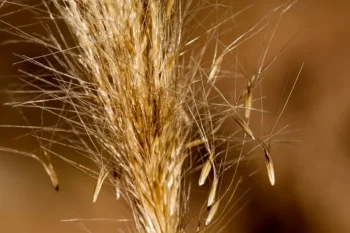
False Rhodes Grass: A Resilient Native for Water-Wise Gardens
If you’re looking for a tough, drought-tolerant grass that adds subtle beauty to your landscape while supporting local ecosystems, false Rhodes grass might just be your new garden companion. This unassuming perennial grass, scientifically known as Trichloris crinita, brings both practical benefits and natural charm to water-wise gardens across the American Southwest.
What Is False Rhodes Grass?
False Rhodes grass is a native perennial bunch grass that forms attractive clumps of fine-textured foliage. Don’t let the name fool you—while it shares some characteristics with true Rhodes grass, this plant is distinctly American, having evolved in our southwestern deserts and grasslands over thousands of years.
You might also encounter this grass listed under several botanical synonyms, including Chloris crinita, Leptochloa crinita, or Trichloris mendocina, but they all refer to the same hardy species.
Where Does It Naturally Grow?
False Rhodes grass is a true native of the lower 48 states, naturally occurring across Arizona, New Mexico, Texas, and surprisingly, New York. This wide distribution speaks to the plant’s adaptability, though it’s most at home in the arid and semi-arid regions of the Southwest.
- Species observed
- No observations
Garden Appeal and Landscape Role
What makes false Rhodes grass special in the garden isn’t flashy flowers or bold colors—it’s the subtle beauty of movement and texture. The delicate seed heads dance in the slightest breeze, creating a sense of life and motion in the landscape. This grass works beautifully as:
- A textural element in xeriscaped gardens
- Naturalistic plantings that mimic native grasslands
- Borders and edges in drought-tolerant landscapes
- Mass plantings for erosion control on slopes
Perfect for Water-Wise Gardens
False Rhodes grass shines in gardens where water conservation is a priority. Its wetland status varies by region—from obligate upland in some western areas to facultative in others—but consistently indicates a plant that thrives in well-drained, non-wetland conditions. This makes it perfect for:
- Desert and xeric gardens
- Native plant landscapes
- Low-maintenance commercial plantings
- Sustainable residential landscapes
Growing Conditions and Care
One of the best things about false Rhodes grass is how easy it is to please. This adaptable native thrives in full sun and well-draining soils, including the alkaline conditions common in many western gardens. Once established, it requires minimal supplemental watering, making it ideal for gardeners in USDA hardiness zones 7-10.
The key to success with false Rhodes grass is remembering that less is often more. Avoid overwatering, which can lead to problems, and don’t worry about perfect soil—this grass has evolved to handle challenging conditions.
Planting and Maintenance Tips
Getting false Rhodes grass established in your garden is straightforward:
- Plant seeds or divisions in spring when soil temperatures warm
- Choose a sunny location with good drainage
- Water regularly the first season to establish roots
- Reduce watering once established—this grass prefers drought conditions
- Remove old growth in late winter to make room for new shoots
- Divide clumps every few years if they become too large
Wildlife and Ecosystem Benefits
While false Rhodes grass may not be a pollinator magnet like wildflowers, it plays an important role in supporting local wildlife. The seeds provide food for various bird species, and the grass structure offers nesting material and shelter for small creatures. By choosing native plants like false Rhodes grass, you’re helping to maintain the complex web of relationships that make healthy ecosystems possible.
Is False Rhodes Grass Right for Your Garden?
False Rhodes grass is an excellent choice if you’re looking to create a sustainable, low-maintenance landscape that celebrates native plants. It’s particularly well-suited for gardeners who appreciate subtle beauty over flashy displays and who want to support local ecosystems while conserving water.
Consider false Rhodes grass if you have challenging growing conditions like poor soil, limited water, or intense sun exposure. This resilient native can handle what many other plants cannot, all while adding graceful movement and natural texture to your outdoor space.
Just remember that like many native grasses, false Rhodes grass is about patience and working with nature rather than against it. Give it the conditions it prefers, and you’ll be rewarded with years of low-maintenance beauty that connects your garden to the larger landscape beyond your fence.