False Silverback: A Rare Pacific Northwest Treasure for Your Garden
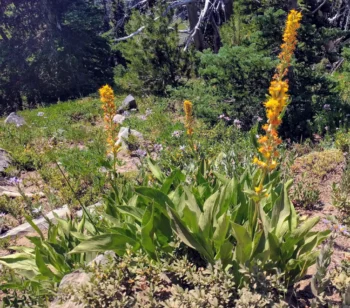
Meet false silverback (Rainiera stricta), one of the Pacific Northwest’s best-kept gardening secrets. This charming native perennial might not be a household name, but it deserves a spot in every serious native plant lover’s collection. With its distinctive silvery foliage and delicate white flowers, false silverback brings a touch of alpine elegance to the right garden setting.
What Makes False Silverback Special?
False silverback is a true Pacific Northwest native, found naturally only in Oregon and Washington. This perennial forb—that’s garden-speak for a non-woody flowering plant—belongs to the sunflower family and showcases the understated beauty that makes our regional flora so special.
The plant gets its common name from the silvery-white, woolly texture of its leaves, which creates a striking contrast against darker garden companions. Previously known by the botanical synonym Luina stricta, this species has carved out its own unique niche in the plant kingdom.
- Species observed
- No observations
Garden Appeal and Design Role
False silverback isn’t your typical border perennial, and that’s exactly what makes it exciting. This plant shines in:
- Rock gardens where its compact form fits perfectly between stones
- Alpine-style plantings that mimic mountain meadow conditions
- Native plant collections focused on regional specialties
- Containers for gardeners wanting to try something truly unique
The silvery foliage provides excellent textural contrast against green-leafed companions, while the small white flower clusters add delicate charm during the blooming season. Think of it as nature’s way of bringing mountain magic to your backyard.
Growing Conditions and Care
False silverback thrives in USDA hardiness zones 5-8, making it suitable for most Pacific Northwest gardens. However, this isn’t a plant for beginners or those seeking low-maintenance options. Success requires attention to its specific needs:
Soil Requirements: Excellent drainage is absolutely critical. Think rocky, gravelly, or sandy soils that never stay soggy. Heavy clay or moisture-retentive soils will likely lead to disappointment.
Light Conditions: Partial shade to full sun works well, though some protection from intense afternoon sun can help in hotter locations.
Water Needs: Once established, false silverback prefers minimal summer water. Overwatering is often more harmful than underwatering for this mountain native.
Important Conservation Note
Before you rush to add false silverback to your shopping list, here’s something crucial to know: this species has a Global Conservation Status of S2S3, indicating it’s quite rare in the wild. This makes responsible sourcing absolutely essential.
If you decide to grow false silverback, only purchase plants from reputable nurseries that propagate their stock rather than wild-collecting. Never dig plants from natural populations, and consider this an opportunity to support conservation through cultivation.
Benefits for Wildlife and Pollinators
Like many native plants, false silverback supports local ecosystems by providing nectar for small native bees and flies. While it may not be a major pollinator magnet like some showier natives, every little bit helps when it comes to supporting biodiversity in our gardens.
Is False Silverback Right for Your Garden?
False silverback is perfect for gardeners who:
- Love rare and unusual native plants
- Have well-draining soil or are willing to create it
- Enjoy the challenge of growing specialty plants
- Want to support local plant conservation efforts
Skip this one if you’re looking for bold, showy flowers, prefer low-maintenance plants, or have heavy, poorly-draining soil that you can’t amend.
The Bottom Line
False silverback represents the kind of gardening adventure that makes growing natives so rewarding. It’s not the easiest plant to grow, and it’s certainly not the flashiest, but for the right gardener in the right spot, it offers something truly special: a chance to grow a piece of Pacific Northwest botanical heritage while contributing to its conservation.
Just remember to source responsibly and provide the well-draining conditions this mountain native demands. Your patience and attention to detail will be rewarded with a unique garden treasure that few of your neighbors will recognize—and that’s half the fun.