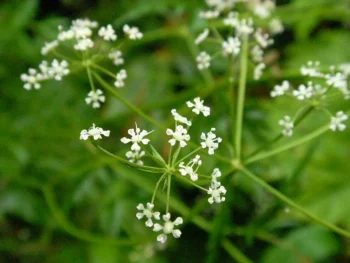
False Snowparsley: Alaska’s Delicate Arctic Native
If you’re looking for a truly unique native plant that thrives in the coldest corners of North America, meet false snowparsley (Tilingia ajanensis). This charming little perennial might just be one of the most specialized native plants you’ll ever encounter – and honestly, that’s both its charm and its challenge.
What is False Snowparsley?
False snowparsley is a delicate herbaceous perennial that belongs to the carrot family (Apiaceae). Like its relatives, it produces clusters of tiny white flowers arranged in umbrella-shaped formations called umbels. Don’t let the name fool you though – this isn’t actually related to parsley, and you definitely shouldn’t toss it in your pasta sauce!
This little forb (that’s botanist-speak for a non-woody flowering plant) grows as a perennial, meaning it comes back year after year. You might also see it listed under its scientific synonym, Cnidium ajanense, in older gardening references.
Where Does False Snowparsley Come From?
False snowparsley is native to Alaska, where it has adapted to some of the harshest growing conditions on the continent. This tough little plant calls the Arctic and subarctic regions home, particularly thriving in Alaska’s coastal areas where the growing season is short but intense.
- Species observed
- No observations
Should You Grow False Snowparsley?
Here’s where things get interesting (and maybe a little challenging). False snowparsley is definitely not your average garden center find. This plant is essentially the polar opposite of your typical suburban garden resident – it actually needs those bone-chilling Alaska winters to thrive.
The Good News
- It’s a true native plant that supports local ecosystems
- Delicate, attractive white flowers add subtle beauty to gardens
- Extremely hardy once established in suitable conditions
- Provides nectar for small pollinators like flies and tiny bees
- Perfect for authentic native plant collections
The Reality Check
- Only thrives in USDA hardiness zones 1-4
- Requires genuinely cold winters to complete its life cycle
- Very limited availability through typical nursery channels
- Specialized growing requirements that most gardens can’t provide
Growing False Snowparsley Successfully
If you’re fortunate enough to garden in Alaska or other extremely cold regions, false snowparsley could be a wonderful addition to your native plant collection. Here’s what this Arctic beauty needs to flourish:
Growing Conditions
- Climate: Requires very cold winters and short, cool summers
- Soil: Well-draining soil that doesn’t stay soggy
- Moisture: Consistent moisture during the growing season
- Light: Likely prefers full sun to partial shade in its native habitat
- Temperature: Thrives in zones 1-4 only
Planting and Care Tips
- Source plants or seeds from reputable native plant suppliers
- Plant in spring after the last hard frost
- Ensure excellent drainage to prevent root rot
- Provide consistent moisture during the short growing season
- Allow the plant to go dormant naturally as temperatures drop
- Minimal maintenance required once established
The Bottom Line
False snowparsley is undeniably fascinating – a true Arctic survivor that represents the incredible adaptability of native plants. However, let’s be honest: unless you’re gardening in Alaska or similar extreme climates, this plant simply won’t thrive in your garden.
If you’re passionate about growing native plants but live in warmer zones, consider exploring native species that are actually suited to your local climate. Your local native plant society or extension office can point you toward beautiful native alternatives that will thrive in your specific conditions while still supporting local wildlife and ecosystems.
For those lucky gardeners in the far north, false snowparsley offers a chance to grow something truly special – a delicate beauty that’s perfectly adapted to your unique and challenging growing conditions.