False Tamarind: A Graceful Native Tree for South Florida Gardens
If you’re gardening in South Florida and looking for a native tree that combines delicate beauty with tough resilience, the false tamarind might just be your new best friend. Don’t let the name fool you – this charming tree isn’t related to the culinary tamarind at all, but it brings its own special brand of elegance to tropical landscapes.
Meet the False Tamarind
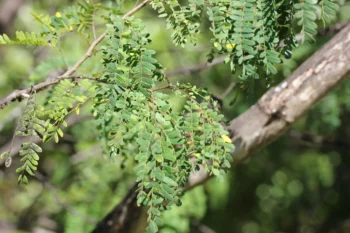
False tamarind (Lysiloma latisiliquum) is a native Florida tree that knows how to make an entrance. With its feathery, fern-like leaves and delicate puffball flowers, it’s like having a piece of tropical paradise right in your backyard. This perennial tree typically grows as a single-trunked specimen, reaching heights of 15-40 feet with a graceful, spreading canopy that provides welcome shade in the Florida heat.
Where Does False Tamarind Call Home?
This beautiful native has a pretty exclusive address – you’ll find false tamarind naturally growing in South Florida, particularly in the Florida Keys and the extreme southern portions of the mainland. It’s also native to the Bahamas and other Caribbean islands, making it a true tropical specialist.
- Species observed
- No observations
Why Your Garden Will Love False Tamarind
There are plenty of reasons to consider adding this native beauty to your landscape:
- Stunning seasonal interest: White to pale pink puffball flowers appear throughout the year, followed by attractive flat, brown seed pods
- Delicate foliage: The compound leaves create a soft, tropical texture that moves gracefully in ocean breezes
- Pollinator magnet: Butterflies, bees, and other beneficial insects love the nectar-rich flowers
- Tough as nails: Once established, it’s incredibly drought-tolerant and can handle salt spray like a champ
- Perfect size: Large enough to provide meaningful shade but not so massive that it overwhelms smaller properties
Where False Tamarind Shines in Your Landscape
False tamarind is incredibly versatile in the right climate. Use it as a specimen tree where you can appreciate its graceful form, or plant it as part of a coastal landscape where its salt tolerance really shines. It’s perfect for drought-tolerant gardens, tropical-themed landscapes, or anywhere you want to add native Florida character. The tree works beautifully in both formal and naturalized settings.
Growing Conditions: What False Tamarind Needs to Thrive
The good news? False tamarind isn’t particularly fussy once you understand its preferences:
- Sunlight: Full sun is ideal for the best growth and flowering
- Soil: Well-draining sandy or limestone soils work best – it actually prefers the kind of soil that gives other plants fits
- Water: Drought-tolerant once established, but appreciates regular watering during establishment
- Climate: USDA zones 10b-11 only – this is definitely a warm-weather tree that won’t tolerate frost
Planting and Care Tips for Success
Getting your false tamarind off to a good start is easier than you might think:
- Timing: Plant in spring when temperatures are warming but before the intense summer heat
- Location: Choose a spot with plenty of room for the mature canopy spread
- Establishment: Water regularly for the first year while the root system develops
- Maintenance: Minimal pruning needed – just remove any dead or crossing branches
- Frost protection: Young trees may need protection during rare cold snaps in marginal areas
Is False Tamarind Right for Your Garden?
False tamarind is an excellent choice if you’re gardening in South Florida and want to support local ecosystems with native plants. Its combination of beauty, toughness, and wildlife value makes it a winner for the right location. However, its very specific climate requirements mean it’s only suitable for the warmest parts of Florida.
If you live outside zones 10b-11, you might want to consider other native trees better suited to your climate. But if you’re lucky enough to garden where false tamarind can thrive, you’ll have a tree that embodies the best of Florida’s natural heritage while providing years of low-maintenance beauty.
This graceful native proves that sometimes the best garden additions are the ones that were meant to be there all along – growing naturally in harmony with local conditions and supporting the wildlife that calls your area home.