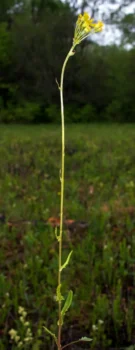
Falsegold Groundsel: A Cheerful Native Wildflower for Shady Spots
If you’re looking for a low-maintenance native plant that brings sunshine to shadier corners of your garden, falsegold groundsel (Packera pseudaurea) might just be your new best friend. This charming perennial wildflower proves that you don’t need full sun to have a garden full of golden blooms.
Meet the Falsegold Groundsel
Falsegold groundsel is a native North American perennial that belongs to the sunflower family. As a forb (basically a fancy term for a non-woody flowering plant), it forms attractive low clumps with heart-shaped basal leaves and cheerful yellow daisy-like flowers that appear in spring and early summer.
This delightful native can be found across a impressive range of North America, growing naturally in Alberta, British Columbia, Manitoba, Saskatchewan, California, Colorado, Idaho, Illinois, Indiana, Iowa, Kansas, Minnesota, Missouri, Montana, Nebraska, Nevada, New Mexico, North Dakota, Oregon, South Dakota, Washington, Wisconsin, and Wyoming.
- Species observed
- No observations
Why You’ll Love Growing Falsegold Groundsel
Here’s what makes this native wildflower such a garden winner:
- Shade tolerance: Unlike many flowering plants that demand full sun, falsegold groundsel actually prefers partial to full shade
- Low maintenance: Once established, it’s quite drought tolerant and doesn’t need much fussing
- Pollinator magnet: The bright yellow flowers attract native bees, butterflies, and other beneficial insects
- Adaptable: It’s happy in various soil types and moisture levels
- Native credentials: Supporting local ecosystems while reducing garden maintenance? That’s a win-win!
Perfect Garden Spots for Falsegold Groundsel
This versatile native shines in several garden settings:
- Woodland gardens and forest edges
- Native plant and pollinator gardens
- Rain gardens and bioswales
- Naturalized areas where you want low-maintenance groundcover
- Shade gardens where other flowering plants struggle
Thanks to its facultative wetland status across most regions, falsegold groundsel is particularly valuable in areas with variable moisture conditions. It can handle both wet and moderately dry conditions, making it incredibly versatile for different garden situations.
Growing Conditions and Care
Falsegold groundsel is refreshingly easy to please. Here’s what it needs to thrive:
- Light: Partial shade to full shade (though it can tolerate some morning sun)
- Soil: Adaptable to various soil types, prefers moist but well-draining conditions
- Hardiness: Zones 3-8, making it suitable for most temperate regions
- Water: Moderate moisture needs; drought tolerant once established
Planting and Care Tips
Getting falsegold groundsel established in your garden is straightforward:
- Plant in spring or fall for best establishment
- Space plants about 12-18 inches apart to allow for natural spreading
- Water regularly the first year while plants establish their root system
- Deadhead spent flowers to encourage more blooms or leave them for wildlife
- Divide clumps every 3-4 years in early spring if they become overcrowded
- Very little fertilizer needed – this native prefers lean conditions
The Bottom Line
Falsegold groundsel offers gardeners the perfect combination of beauty, ecological value, and easy care. Its cheerful yellow flowers brighten up shady spots where many other flowering plants won’t thrive, while its native status means you’re supporting local wildlife and reducing your garden’s environmental impact.
Whether you’re creating a dedicated native plant garden or just want to add some low-maintenance color to a shadier corner, falsegold groundsel delivers reliable performance with minimal fuss. Sometimes the best plants are the ones that simply do their job beautifully without demanding much attention – and this delightful native wildflower does exactly that.