Fan Maidenhair Fern: A Delicate Beauty for Your Shade Garden
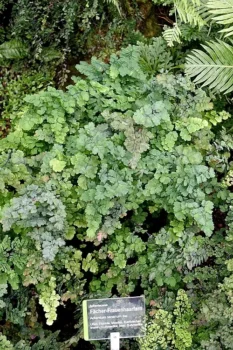
If you’re looking to add some ethereal elegance to your shady garden spots, the fan maidenhair fern (Adiantum tenerum) might just be the perfect choice. This graceful perennial fern brings a touch of tropical sophistication wherever it grows, with its distinctive fan-shaped fronds that seem to dance in the slightest breeze.
What Makes Fan Maidenhair Special?
Fan maidenhair fern stands out in the fern world with its uniquely shaped fronds that truly resemble delicate fans. Unlike many ferns with their typical feathery appearance, this species displays a more geometric beauty. The bright green fronds emerge from thin, dark stems and create an almost lace-like pattern that adds incredible texture to any garden space.
As a perennial fern, it lacks the woody tissue found in shrubs and trees, instead maintaining its herbaceous nature year-round in suitable climates. This growth habit makes it an excellent choice for layering in woodland gardens or creating soft transitions between larger plants.
Where Does It Come From?
Fan maidenhair fern has an interesting geographic story. It’s native to the southeastern United States (particularly Florida), Puerto Rico, the U.S. Virgin Islands, and Navassa Island. However, it has also naturalized in Hawaii, where it now grows and reproduces on its own, though it’s considered non-native there.
Currently, you can find this fern growing in Florida, Hawaii, Puerto Rico, the Virgin Islands, and Navassa Island, thriving in the warm, humid conditions these locations provide.
- Species observed
- No observations
Is Fan Maidenhair Right for Your Garden?
This fern works beautifully in several garden settings:
- Shade gardens: Perfect for those tricky spots where most plants struggle
- Tropical or subtropical landscapes: Adds authentic tropical flair
- Woodland gardens: Creates natural-looking ground cover
- Container gardens: Excellent for patios and covered outdoor spaces
One thing to keep in mind: since this is a fern, it won’t provide nectar or pollen for pollinators like flowering plants do. Ferns reproduce through spores rather than flowers, so if you’re specifically looking to support bees and butterflies, you’ll want to complement this with flowering natives.
Growing Conditions and Care
Fan maidenhair fern thrives in USDA hardiness zones 8-11, making it suitable for gardeners in warmer climates. Here’s what this fern loves:
- Light: Partial to full shade (direct sun can scorch the delicate fronds)
- Moisture: Consistent moisture without waterlogged conditions
- Humidity: Higher humidity levels promote the best growth
- Soil: Well-draining, organic-rich soil
- Protection: Shelter from strong winds that can damage the delicate fronds
Wetland Flexibility
One of the interesting characteristics of fan maidenhair fern is its adaptability to different moisture conditions. In the Atlantic and Gulf Coastal Plain regions, it’s considered facultative, meaning it can handle both wetland and non-wetland conditions. In the Caribbean and Hawaii, it leans more toward non-wetland areas but can still tolerate some wetness. This flexibility makes it a versatile choice for various garden situations.
Planting and Maintenance Tips
When establishing fan maidenhair fern in your garden:
- Choose a location with morning sun and afternoon shade, or dappled light throughout the day
- Improve soil drainage while maintaining moisture-holding capacity by adding organic matter
- Water regularly during establishment, then maintain consistent moisture
- Consider grouping multiple plants for a more dramatic effect
- In colder zones, provide extra protection or consider container growing
The Bottom Line
Fan maidenhair fern offers gardeners in suitable climates a chance to grow something truly distinctive. Its delicate beauty and adaptable nature make it a wonderful addition to shade gardens, tropical landscapes, and container displays. While it won’t feed pollinators directly, it contributes to the overall ecosystem by providing habitat structure and visual appeal.
If you’re in zones 8-11 and have a shady spot that needs some elegant texture, fan maidenhair fern could be just the ticket. Just remember to keep it moist, protected, and out of harsh direct sunlight, and you’ll be rewarded with those gorgeous fan-shaped fronds that make this fern so special.