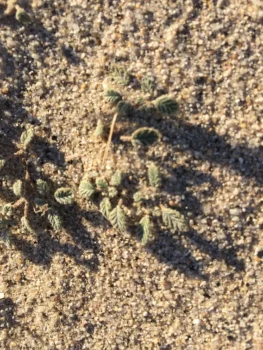
Fanleaf Crinklemat: A Charming Desert Native for Water-Wise Gardens
If you’re looking to create a stunning desert garden that celebrates native plants while conserving water, let me introduce you to a delightful little ground hugger called fanleaf crinklemat (Tiquilia plicata). This unassuming perennial might not win any height contests, but what it lacks in stature, it makes up for in character and resilience.
What Makes Fanleaf Crinklemat Special?
Fanleaf crinklemat is a true southwestern native, naturally occurring across Arizona, California, and Nevada. As a member of the borage family, this low-growing perennial herb brings unique texture to desert landscapes with its distinctive fan-shaped, pleated leaves that give the plant its common name. The scientific name Tiquilia plicata literally refers to these folded or pleated leaves that create an interesting visual texture in the garden.
This native beauty grows naturally throughout the desert regions of Arizona, California, and Nevada, making it perfectly adapted to the challenging conditions of the American Southwest.
- Species observed
- No observations
Garden Appeal and Landscape Role
Don’t let its modest size fool you – fanleaf crinklemat plays an important role in water-wise landscaping. This ground-hugging perennial works wonderfully as:
- Living mulch between larger desert shrubs
- Textural element in rock gardens
- Natural groundcover for xeriscapes
- Accent plant in native plant collections
The plant produces small white flowers that may seem insignificant at first glance, but they’re actually quite valuable to native desert pollinators who have co-evolved with this species over thousands of years.
Growing Conditions and Care
One of the best things about fanleaf crinklemat is how easy it is to grow – once you understand its desert nature. This plant thrives in USDA hardiness zones 8-10 and has some specific preferences:
Sunlight: Full sun is essential. This desert native needs bright, direct sunlight to thrive.
Soil: Well-draining sandy or rocky soil is crucial. Heavy clay or waterlogged soils will spell doom for this drought-adapted plant.
Water: Once established, fanleaf crinklemat is extremely drought tolerant. In fact, overwatering is more likely to kill it than underwatering!
Planting and Care Tips
Getting fanleaf crinklemat established in your garden is straightforward if you follow these guidelines:
- Best planting time: Fall planting allows the plant to establish roots during cooler weather
- Spacing: Give plants adequate room to spread naturally
- Initial watering: Water sparingly during establishment, then reduce frequency significantly
- Maintenance: Virtually maintenance-free once established – just avoid overwatering
Wildlife and Pollinator Benefits
While fanleaf crinklemat might look simple, it plays an important ecological role. The small white flowers provide nectar for native desert pollinators, including small native bees and other beneficial insects that have evolved alongside this plant. By choosing native plants like fanleaf crinklemat, you’re supporting local ecosystems and providing food sources that non-native plants simply can’t match.
Is Fanleaf Crinklemat Right for Your Garden?
This charming native is perfect for gardeners who:
- Want to create authentic desert or xeriscape gardens
- Are committed to water conservation
- Appreciate subtle, textural plants over flashy flowers
- Want to support native wildlife and pollinators
- Live in the southwestern United States
However, fanleaf crinklemat might not be the best choice if you’re looking for a showy flowering display or if you garden in areas with high humidity and regular rainfall.
The Bottom Line
Fanleaf crinklemat proves that native plants don’t have to be boring. This drought-tolerant perennial offers unique texture, supports local wildlife, and requires minimal care once established. For southwestern gardeners looking to create authentic, sustainable landscapes, Tiquilia plicata deserves a spot in your desert plant palette. Just remember – when in doubt, water less, not more!