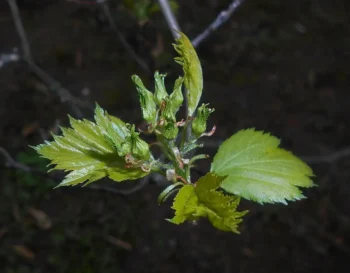
Fanleaf Hawthorn: A Tough Native Shrub That Wildlife (and You) Will Love
If you’re looking for a no-fuss native shrub that can handle whatever Mother Nature throws at it, let me introduce you to the fanleaf hawthorn (Crataegus flabellata). This hardy little character might not win any beauty contests, but what it lacks in supermodel looks, it more than makes up for in reliability, wildlife appeal, and sheer toughness.
What Exactly is Fanleaf Hawthorn?
Fanleaf hawthorn is a perennial, multi-stemmed woody shrub that typically stays under 13-16 feet tall. As a true native of North America, this plant has been quietly doing its thing in our landscapes long before European settlers arrived. You might also see it listed under its scientific aliases like Crataegus densiflora or Crataegus grayana in older gardening references, but they’re all the same dependable plant.
Where Does This Tough Customer Come From?
This native beauty calls a huge swath of North America home, stretching from southeastern Canada all the way down to Georgia and Alabama, and west to places like Minnesota and Wisconsin. You’ll find it naturally growing in states from Maine to Louisiana, making it one of those wonderfully adaptable plants that’s truly from around here for most eastern gardeners.
- Species observed
- No observations
Why You Might Want to Invite It to Your Garden
Here’s where fanleaf hawthorn really shines – it’s practically bulletproof once established. This shrub thrives in USDA hardiness zones 4-8, which covers most of the continental United States. Whether you’ve got clay soil that turns into concrete in summer or sandy soil that drains like a sieve, this adaptable native can handle it.
The real magic happens in late spring when clusters of small white flowers appear, creating a buzzing hub of activity for bees, butterflies, and other pollinators. Come fall, those flowers transform into attractive red berries that birds absolutely go crazy for. It’s like running a bed-and-breakfast for wildlife right in your backyard!
Where Does It Fit in Your Landscape?
Fanleaf hawthorn is perfect for those areas where you want something that looks natural and requires minimal fussing. It’s excellent for:
- Wildlife and native plant gardens
- Naturalizing large areas
- Erosion control on slopes
- Informal landscape borders
- Areas where you want seasonal interest without high maintenance
Just remember – this shrub comes equipped with thorns (it’s a hawthorn, after all!), so plant it away from walkways and play areas where people might get too up-close-and-personal with those prickly branches.
Growing Your Fanleaf Hawthorn Successfully
The beauty of native plants like fanleaf hawthorn is that they’re already programmed to succeed in your local conditions. Here’s how to set yours up for success:
Light: Full sun to partial shade – it’s not picky!
Soil: Just about anything will do. Clay, loam, sandy soil – this shrub adapts to what you’ve got.
Water: Once established (usually after the first growing season), it’s quite drought tolerant. Water regularly the first year to help it get settled.
Planting: Spring or fall are ideal times to plant. Give it room to spread – remember, it’s a multi-stemmed shrub that likes to fill out its space.
Care and Maintenance (Or Lack Thereof!)
This is where fanleaf hawthorn really earns its keep – it’s remarkably low-maintenance. Once established, you can pretty much let it do its thing. Minimal pruning is needed, though you can shape it lightly if desired. The thorny nature means deer usually give it a wide berth, which is a bonus if Bambi is a frequent garden visitor.
The Bottom Line
Fanleaf hawthorn might not be the showiest plant in your garden, but it’s definitely one of the most reliable team players you can add to your landscape. It provides food and shelter for wildlife, requires minimal care once established, and gives you the satisfaction of growing a true native that belongs in your local ecosystem. Sometimes the best garden additions are the ones that just quietly do their job while supporting the bigger picture – and that’s fanleaf hawthorn in a nutshell.