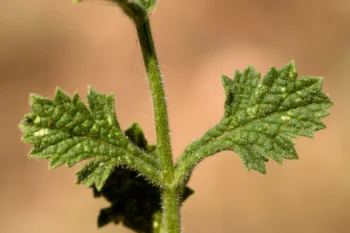
Fanleaf Vervain: A Charming Native Wildflower for Drought-Tolerant Gardens
If you’re looking to add some native charm to your garden while keeping maintenance to a minimum, fanleaf vervain (Verbena plicata) might just be your new best friend. This delightful little perennial brings both beauty and ecological value to landscapes across the American Southwest, all while asking for very little in return.
What Makes Fanleaf Vervain Special?
Fanleaf vervain gets its common name from its distinctive deeply divided leaves that spread out like tiny fans. But don’t let the foliage steal all the attention – this native beauty produces clusters of small purple to lavender flowers that create lovely flat-topped displays throughout the growing season. It’s the kind of plant that might look modest at first glance, but really shines when you give it a closer look.
As a perennial forb (that’s just a fancy way of saying it’s a non-woody herbaceous plant that comes back year after year), fanleaf vervain offers lasting value in your landscape without the need for annual replanting.
Where Does It Call Home?
This charming native is right at home across the southwestern United States, naturally occurring in Arizona, Colorado, New Mexico, Oklahoma, and Texas. It’s perfectly adapted to the challenging conditions of desert and semi-arid regions, making it an excellent choice for gardeners in these areas who want to work with nature rather than against it.
- Species observed
- No observations
Why Your Garden (and Local Wildlife) Will Love It
Fanleaf vervain isn’t just pretty – it’s practical too. Here’s why it deserves a spot in your landscape:
- Pollinator magnet: Those sweet little flowers are absolute bee and butterfly magnets, providing valuable nectar for local pollinators
- Low maintenance: Once established, it’s remarkably drought tolerant and requires minimal care
- Wildlife value: While it provides modest forage for larger animals, it plays an important role in the local ecosystem
- Native authenticity: As a true native, it supports local biodiversity and fits naturally into regional landscapes
Perfect Garden Situations
Fanleaf vervain thrives in several garden styles and situations:
- Drought-tolerant and xeriscape gardens
- Native plant gardens and naturalized areas
- Pollinator gardens and butterfly gardens
- Rock gardens and desert landscapes
- Ground cover for challenging, dry areas
Growing Fanleaf Vervain Successfully
The good news is that fanleaf vervain is refreshingly easy to grow, especially if you can provide conditions similar to its native habitat.
Ideal Growing Conditions
- Sunlight: Full sun is best – this plant loves bright, direct light
- Soil: Well-draining soil is essential; it actually prefers alkaline soils
- Water: Drought tolerant once established, but appreciates occasional deep watering during extreme dry spells
- Climate: Hardy in USDA zones 7-10, perfect for warmer regions
Planting and Care Tips
Here’s how to give your fanleaf vervain the best start:
- Plant in spring after the last frost date
- Space plants adequately to allow for air circulation
- Water regularly the first season to help establish roots, then back off
- Deadhead spent flowers to encourage continued blooming, or leave them for wildlife
- Don’t worry about fertilizing – this tough native prefers lean soils
- Allow some plants to go to seed if you want natural reseeding
A Few Things to Keep in Mind
While fanleaf vervain is generally well-behaved, it may self-seed in favorable conditions. Most gardeners consider this a bonus rather than a problem, but it’s worth noting if you prefer more controlled plantings. Also, like many drought-adapted plants, it doesn’t appreciate overwatering or heavy, clay soils that stay wet.
The Bottom Line
Fanleaf vervain proves that native plants can be both beautiful and practical. It’s an excellent choice for gardeners who want to support local ecosystems while creating attractive, low-maintenance landscapes. Whether you’re establishing a pollinator garden, creating a drought-tolerant landscape, or simply want to add some authentic regional character to your space, this charming native wildflower delivers on all counts.
Plus, there’s something deeply satisfying about growing a plant that’s perfectly suited to your local climate and conditions – it’s gardening in harmony with nature at its finest.