Fanwort: The Delicate Aquatic Beauty for Your Water Garden
If you’ve ever dreamed of adding an ethereal, underwater forest to your pond or water garden, fanwort (Cabomba) might just be the plant you’re looking for. This perennial aquatic forb creates stunning displays with its feathery, finely divided foliage that dances gracefully beneath the water’s surface.
What Makes Fanwort Special?
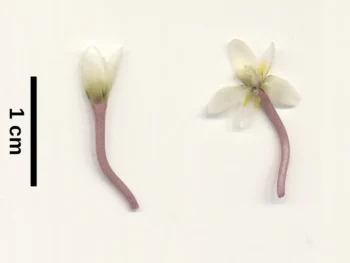
Fanwort is a fascinating aquatic plant that lives most of its life submerged, with delicate, fan-shaped leaves that look almost like green lacework underwater. During blooming season, small white flowers emerge above the water surface, adding a charming contrast to the submerged foliage. As a perennial forb, it lacks woody tissue and maintains its structure through herbaceous growth.
Where Does Fanwort Call Home?
The native status of fanwort is somewhat complex. While it’s considered native to Canada, its status in the lower 48 United States and Puerto Rico is less clear. Currently, you can find fanwort growing across a wide range of states including Alabama, Arkansas, California, Connecticut, Delaware, Florida, Georgia, Illinois, Indiana, Kansas, Kentucky, Louisiana, Maryland, Massachusetts, Michigan, Mississippi, Missouri, New Hampshire, New Jersey, New York, North Carolina, Ohio, Oklahoma, Oregon, Pennsylvania, Rhode Island, South Carolina, Tennessee, Texas, Virginia, and Washington, as well as in Ontario, Canada, and Puerto Rico.
- Species observed
- No observations
Should You Grow Fanwort in Your Garden?
Fanwort can be a beautiful addition to water features, but it’s important to approach it thoughtfully. Here are some considerations:
- Perfect for water gardens, ponds, and aquatic features
- Provides excellent oxygenation for pond ecosystems
- Creates habitat and shelter for aquatic wildlife
- Adds unique texture and movement to water features
- May spread aggressively in ideal conditions
Given the uncertain native status in many areas, consider researching native aquatic alternatives in your region before planting fanwort.
Growing Conditions and Care
If you decide fanwort is right for your water garden, here’s what it needs to thrive:
- Light: Full to partial sun for best growth and flowering
- Water: Still or slow-moving freshwater environments
- Substrate: Soft, nutrient-rich sediment or pond bottom
- Temperature: Generally hardy in USDA zones 6-11
- Depth: Thrives in shallow to moderately deep water
Planting and Maintenance Tips
Getting fanwort established in your water feature is relatively straightforward:
- Plant in spring when water temperatures warm up
- Anchor stems in soft substrate or use weighted plant anchors
- Ensure adequate nutrients in the water for healthy growth
- Monitor growth and thin periodically to prevent overcrowding
- Remove any dead or decaying plant material to maintain water quality
Wildlife and Ecosystem Benefits
While specific wildlife benefits aren’t well documented for this species, aquatic plants like fanwort generally provide valuable ecosystem services. The dense underwater foliage offers shelter for small fish, amphibians, and aquatic invertebrates. The surface flowers may attract small pollinators and provide landing spots for beneficial insects.
The Bottom Line
Fanwort can be a stunning addition to water gardens and ponds, bringing an almost magical underwater landscape to your aquatic features. However, its unclear native status in many regions means you should research local alternatives and regulations before planting. If you do choose to grow fanwort, be prepared to manage its growth and enjoy the unique beauty it brings to your water garden.
Remember, the best garden is one that works in harmony with your local ecosystem, so consider consulting with local native plant experts or extension services to determine the best aquatic plants for your specific region.