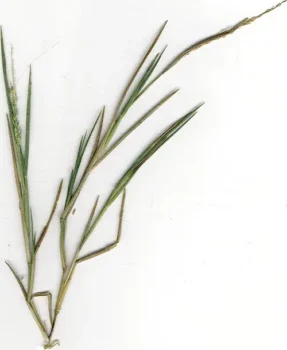
Faurie’s Panicgrass: A Rare Hawaiian Native Worth Protecting
If you’re passionate about Hawaiian native plants and conservation, you’ve likely heard whispers about some of the islands’ rarest botanical treasures. Enter Faurie’s panicgrass (Panicum fauriei), a delicate grass species that’s as beautiful as it is endangered. This isn’t your typical lawn grass – it’s a conservation priority that deserves our attention and respect.
What Makes Faurie’s Panicgrass Special?
Faurie’s panicgrass is a member of the Poaceae family, the same group that includes all our familiar grasses. But this particular species is found nowhere else on Earth except the Hawaiian Islands, making it what botanists call an endemic species. It can grow as either an annual or perennial, adapting to the specific conditions where it takes root.
This grass forms delicate, open clusters of seeds called panicles (hence the name panicgrass). Its narrow leaves and graceful growth habit give it an almost ethereal quality that sets it apart from more common grasses.
Where Does It Grow?
Faurie’s panicgrass is exclusively native to Hawaii, where it has evolved over thousands of years to thrive in the islands’ unique climate and soil conditions. Unfortunately, you won’t find it growing wild in many places anymore.
- Species observed
- No observations
A Plant on the Brink
Here’s where things get serious: Faurie’s panicgrass has a Global Conservation Status of S2, which means it’s considered Imperiled. In plain English, this grass is in trouble. Scientists estimate there are only 6 to 20 known populations left, with perhaps 1,000 to 3,000 individual plants remaining in the wild. That’s not many when you think about it!
This rarity makes every single plant precious and every conservation effort critical. If you’re considering adding this species to your garden, you’re taking on the role of a conservation steward.
Should You Grow Faurie’s Panicgrass?
The short answer is: only if you can source it responsibly and you’re committed to its care. Because of its imperiled status, you should never collect seeds or plants from wild populations. Instead, work with:
- Certified native plant nurseries
- Botanical gardens with propagation programs
- Conservation organizations
- University extension programs focused on native Hawaiian plants
Growing this species isn’t just about having a unique plant in your garden – it’s about participating in conservation efforts and potentially providing genetic backup for wild populations.
Growing Conditions and Care
If you’re fortunate enough to obtain Faurie’s panicgrass through responsible channels, you’ll be pleased to know it’s relatively low-maintenance once established. Here’s what this Hawaiian native prefers:
- Climate: USDA hardiness zones 10-12 (tropical and subtropical climates)
- Light: Partial shade to full sun
- Soil: Well-draining soils (it doesn’t like wet feet)
- Water: Drought tolerant once established, but benefits from occasional watering during dry spells
- Maintenance: Minimal – this grass evolved to thrive with little intervention
Design Ideas and Garden Role
Faurie’s panicgrass works beautifully in:
- Native Hawaiian plant gardens
- Restoration projects
- Naturalistic landscape designs
- Specialized plant collections
- Educational gardens focused on conservation
Its delicate texture and graceful form make it an excellent accent plant, especially when paired with other native Hawaiian species. Think of it as living sculpture – every plant tells a story of Hawaii’s unique natural heritage.
Wildlife and Ecological Benefits
As a wind-pollinated grass, Faurie’s panicgrass doesn’t provide nectar for butterflies or bees, but it does contribute to the broader ecosystem in important ways. Native grasses help prevent soil erosion, provide habitat for small creatures, and maintain the genetic diversity that makes Hawaiian ecosystems resilient.
The Bottom Line
Faurie’s panicgrass isn’t a plant for everyone, and that’s okay. Its rarity means it requires a special kind of gardener – one who understands the responsibility that comes with growing an imperiled species. If you’re that person, and you can source it responsibly, you’ll be rewarded with a unique piece of Hawaiian natural history growing right in your garden.
Remember, every plant we can successfully grow and propagate in cultivation is one small victory for conservation. Sometimes the most important gardens aren’t the showiest – they’re the ones quietly working to preserve something irreplaceable.