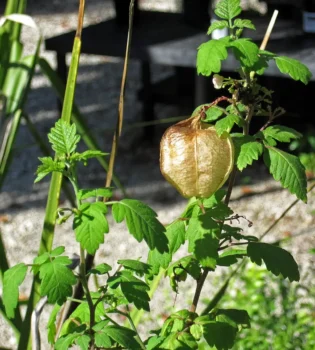
Faux Persil: The Quirky Balloon Vine That’s Taking Gardens by Storm
Meet faux persil (Cardiospermum corindum), a charming little climber that’s sure to spark conversations in your garden. With its delicate foliage and peculiar balloon-like seed pods, this perennial vine brings a touch of whimsy to any landscape. But before you rush to plant it, let’s dive into what makes this plant tick and whether it’s the right fit for your garden.
What Exactly is Faux Persil?
Faux persil is a perennial forb—essentially a non-woody plant that comes back year after year. Don’t let the fancy botanical name Cardiospermum corindum intimidate you; this plant is surprisingly easy-going. It’s also known by synonyms like Cardiospermum keyense, so don’t be confused if you see it listed under different names at the nursery.
Native Status and Where It Grows
Here’s where things get interesting: faux persil is native to Puerto Rico and the U.S. Virgin Islands, but it’s considered non-native in the continental United States. However, it has naturalized and now grows wild in Arizona, Florida, and Texas. This means it’s tough enough to survive on its own once established, which can be both a blessing and something to keep an eye on.
- Species observed
- No observations
Why You Might Want to Grow Faux Persil
This little vine has some seriously charming qualities that make it garden-worthy:
- Unique seed pods: The inflated, papery capsules look like tiny balloons and add textural interest
- Delicate flowers: Small white blooms appear throughout the growing season
- Pollinator magnet: Those tiny flowers attract bees, flies, and other beneficial insects
- Versatile growth habit: Can climb trellises or sprawl as ground cover
- Low maintenance: Once established, it’s quite drought-tolerant
Garden Design and Landscape Role
Faux persil works beautifully in tropical and subtropical garden settings. Use it to:
- Soften harsh fence lines with its delicate foliage
- Add vertical interest to small spaces
- Create texture in mixed borders
- Provide habitat for beneficial insects in wildlife gardens
- Fill containers for patios and decks
Growing Conditions and Care
The good news? Faux persil isn’t particularly fussy. Here’s what it needs to thrive:
- Light: Full sun to partial shade
- Soil: Well-draining soil of average fertility
- Water: Moderate water needs; drought-tolerant once established
- Climate: Best suited for USDA zones 9-11
- Support: Provide trellises or other structures for climbing
Planting and Care Tips
Getting started with faux persil is refreshingly straightforward:
- Start from seeds, which germinate easily
- Plant after the last frost in spring
- Space plants 2-3 feet apart if growing multiple vines
- Water regularly during establishment, then reduce frequency
- Be aware that it can self-seed readily
- Prune if needed to control spread
A Word of Caution and Native Alternatives
While faux persil isn’t currently listed as invasive, its ability to self-seed and naturalize means you should keep an eye on it. Consider deadheading spent flowers if you’re concerned about unwanted spread.
If you’d prefer native alternatives that offer similar benefits, consider these options based on your region:
- American groundnut (Apios americana) – native climbing vine
- Wild bean (Strophostyles helvola) – native climbing annual
- Virginia creeper (Parthenocissus quinquefolia) – native climbing vine
The Bottom Line
Faux persil can be a delightful addition to gardens in warmer climates, especially if you’re drawn to unique textures and pollinator-friendly plants. Just be a responsible gardener—monitor its spread and consider native alternatives first. With proper care and attention, this quirky little vine can bring years of interest to your landscape while supporting local pollinators.
Remember, the best garden is one that reflects your personality while respecting the local ecosystem. Whether you choose faux persil or a native alternative, you’re creating habitat and beauty that will be enjoyed for years to come.