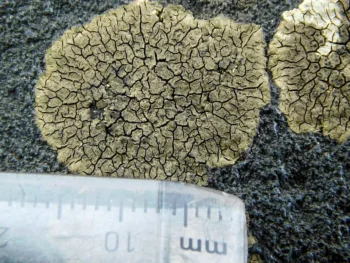
Fayette Wart Lichen: A Tiny Natural Wonder in Your Landscape
If you’ve ever noticed small, dark crusty patches on rocks in your garden or local natural areas, you might have encountered the fascinating world of lichens. Today, let’s dive into one particular species that’s quietly making its home across North America: the Fayette wart lichen (Verrucaria fayettensis).
What Exactly Is Fayette Wart Lichen?
Don’t let the name fool you – this isn’t a plant you can pick up at your local nursery! Fayette wart lichen is actually a unique organism that’s part of the lichen family. Lichens are remarkable partnerships between fungi and algae, working together to create something entirely different from either organism alone.
This particular lichen was previously known by the scientific name Verrucaria iowensis, but taxonomists have since updated its classification. The wart part of its common name comes from its appearance – it forms small, dark, warty-looking bumps on rock surfaces.
Where You’ll Find This Native Beauty
Fayette wart lichen is native to North America, making it a true local resident in our ecosystems. While specific distribution details are still being studied by researchers, this lichen has been documented across various regions of the continent.
Spotting Fayette Wart Lichen in the Wild
Here’s what to look for when you’re out exploring:
- Dark, crusty patches that seem glued to rock surfaces
- Small, black, bump-like structures (these are the fruiting bodies)
- A generally flat, spreading growth pattern across the rock
- Preference for calcareous or limestone rocks
Is It Beneficial to Have in Your Garden?
While you can’t exactly plant Fayette wart lichen, having it appear naturally in your landscape is actually a wonderful sign! Here’s why:
- Lichens are excellent air quality indicators – their presence suggests clean air
- They contribute to the ecosystem by slowly breaking down rock surfaces, eventually creating soil
- They add to the biodiversity of your outdoor space
- They create microhabitats for tiny insects and other small creatures
Creating Lichen-Friendly Conditions
While you can’t cultivate Fayette wart lichen like a traditional garden plant, you can create conditions that might encourage lichens in general:
- Maintain good air quality around your property
- Leave natural rock formations undisturbed
- Avoid using harsh chemicals near rocky areas
- Be patient – lichens grow incredibly slowly
A Living Partnership Worth Appreciating
Next time you’re walking through your garden or exploring natural areas, take a moment to appreciate these amazing organisms. Fayette wart lichen might not have the flashy flowers of your favorite perennials, but it represents millions of years of evolutionary partnership and plays a vital role in our ecosystems.
Remember, if you do spot what you think might be Fayette wart lichen, resist the urge to collect it. These slow-growing organisms are best left undisturbed to continue their important ecological work. Instead, simply enjoy knowing that your landscape is supporting these remarkable living partnerships!