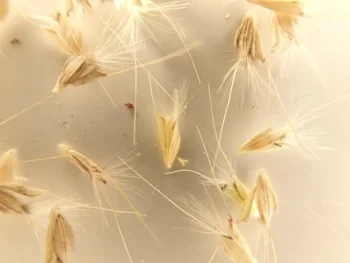
Feather Fingergrass: A Versatile Native Grass for Low-Maintenance Landscapes
If you’re looking for a hardy, low-maintenance grass that can handle tough conditions while providing natural beauty, feather fingergrass (Chloris virgata) might just be the plant you didn’t know you needed. This annual grass gets its charming common name from its delicate, feathery seed heads that dance in the breeze and add texture to any landscape.
What Exactly is Feather Fingergrass?
Feather fingergrass is an annual graminoid – that’s botanical speak for grass or grass-like plant. As part of the diverse world of grasses, sedges, and rushes, it brings that classic grass appeal without the fuss of a formal lawn. This adaptable plant forms attractive tufts and produces those signature wispy seed heads that give it such character.
Where Does it Call Home?
Here’s where things get interesting with feather fingergrass – it has a somewhat complex relationship with different regions. This grass is native to the lower 48 states, where it grows naturally across an impressive range including Alabama, Arizona, Arkansas, California, Colorado, Florida, Georgia, and many others. You’ll find it thriving from coast to coast, adapting to various climates and conditions.
However, in Hawaii and other Pacific Basin locations, feather fingergrass is considered non-native, though it has established itself and reproduces without human intervention.
- Species observed
- No observations
Why Consider Feather Fingergrass?
This grass offers several appealing qualities for the right garden situation:
- Exceptional drought tolerance once established
- Adaptable to various soil types and conditions
- Provides seeds for wildlife, particularly birds
- Requires minimal maintenance
- Adds natural texture and movement to landscapes
- Self-seeds readily for natural propagation
Perfect Garden Matches
Feather fingergrass isn’t meant for formal, manicured landscapes – and that’s perfectly fine! This grass shines in:
- Naturalized garden areas
- Prairie restoration projects
- Xeriscaping and drought-tolerant landscapes
- Wildlife habitat gardens
- Erosion control situations
- Low-maintenance buffer zones
Growing Conditions and Care
One of the best things about feather fingergrass is how easygoing it is. This grass typically thrives in USDA hardiness zones 4-10, making it suitable for most of the continental United States.
Light requirements: Full sun is preferred, though it can tolerate some light shade
Soil preferences: Highly adaptable to various soil types, from sandy to clay
Water needs: Drought tolerant once established; actually prefers drier conditions
Wetland status: Classified as Facultative Upland across all regions, meaning it usually grows in non-wetland areas but can occasionally pop up in wetland edges
Planting and Maintenance Tips
Getting feather fingergrass established is refreshingly simple:
- Start from seed for the most economical approach
- Sow seeds in spring after the last frost
- Prepare a basic seedbed – no fancy soil amendments needed
- Water lightly until germination, then reduce watering
- Once established, minimal care is required
- Allow some seed heads to remain for natural reseeding if desired
Wildlife Benefits
While feather fingergrass may not be a showy pollinator magnet like some wildflowers, it plays an important supporting role in the ecosystem. The seeds provide food for various bird species, and the grass structure offers habitat for small insects and other creatures that form the foundation of healthy food webs.
The Bottom Line
Feather fingergrass is an excellent choice for gardeners who want to embrace a more natural, low-maintenance approach to landscaping. Its adaptability, drought tolerance, and wildlife benefits make it particularly valuable in regions where it’s native. If you’re in Hawaii or other Pacific areas where it’s non-native, you might want to explore local native grass alternatives first, though feather fingergrass isn’t considered problematic in these regions.
Whether you’re working on a prairie restoration, need something tough for a challenging site, or simply want to add some natural grass texture to your landscape, feather fingergrass delivers with minimal fuss and maximum adaptability. Sometimes the best plants are the ones that just quietly do their job while looking good doing it!