Featherleaf Fleabane: A Rocky Mountain Gem for Alpine Gardens
If you’re dreaming of bringing a piece of the high Rocky Mountains to your garden, featherleaf fleabane (Erigeron pinnatisectus) might just be the perfect plant for you. This charming native perennial delivers delicate beauty with the toughness needed to thrive in challenging mountain conditions.
What Makes Featherleaf Fleabane Special
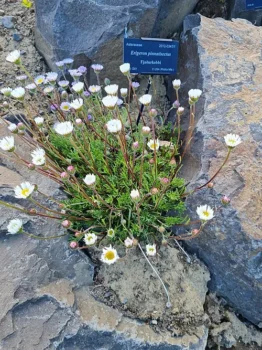
Featherleaf fleabane is a true Rocky Mountain native, naturally found in Colorado, New Mexico, and Wyoming. As a perennial forb – that’s gardener-speak for a non-woody plant that comes back year after year – this little beauty forms compact clumps of finely divided, feathery foliage that gives the plant its distinctive featherleaf common name.
- Species observed
- No observations
The real showstopper comes when blooming time arrives. Small, daisy-like flowers with white to pale purple petals surround cheerful yellow centers, creating a delicate display that perfectly complements the plant’s intricate foliage. Don’t expect towering height from this mountain dweller – it stays low and compact, making it perfect for tucking into rock crevices and alpine garden settings.
Why You’ll Want to Grow Featherleaf Fleabane
There are several compelling reasons to consider adding this native gem to your garden:
- Native plant benefits: Supporting local ecosystems while reducing maintenance needs
- Pollinator magnet: Attracts native bees, butterflies, and other beneficial insects
- Low maintenance: Once established, requires minimal care and watering
- Unique texture: The feathery foliage adds interesting texture contrast to garden designs
- Rock garden star: Perfect for filling gaps and adding color to challenging rocky spaces
Where Featherleaf Fleabane Thrives
This mountain native is best suited for gardeners in USDA hardiness zones 3-6, particularly those at higher elevations or in cooler climates. It’s an ideal choice for:
- Rock gardens and alpine gardens
- Xeriscape and drought-tolerant landscapes
- Native plant gardens focused on Rocky Mountain species
- Naturalistic mountain-style landscaping
Growing Conditions: Keep It Rocky and Dry
Success with featherleaf fleabane comes down to mimicking its natural high-elevation habitat. Here’s what this mountain dweller needs to thrive:
- Sunlight: Full sun exposure, though some protection from intense afternoon sun can help at lower elevations
- Soil: Well-draining, rocky, or sandy soils – drainage is absolutely critical
- Water: Dry conditions once established; avoid overwatering
- Temperature: Cool temperatures and good air circulation
Planting and Care Tips
Getting featherleaf fleabane established successfully requires attention to its mountain origins:
- Soil preparation: Amend heavy soils with coarse sand, gravel, or pumice to ensure excellent drainage
- Planting time: Spring planting works best, allowing the plant to establish before winter
- Watering: Water sparingly during establishment, then rely on natural precipitation
- Fertilizing: Avoid fertilizers – this plant prefers lean, nutrient-poor soils
- Winter care: Excellent cold tolerance, but ensure good drainage to prevent winter rot
A Word of Caution for Lowland Gardeners
While featherleaf fleabane is undeniably charming, it’s important to be realistic about growing conditions. This plant has evolved for high-elevation environments and can be challenging to grow successfully at lower elevations or in humid climates. If you’re not in its native range or don’t have suitable rocky, well-draining conditions, you might want to consider other native alternatives that are better suited to your local conditions.
The Bottom Line
Featherleaf fleabane is a wonderful choice for gardeners who can provide the right conditions – excellent drainage, cool temperatures, and minimal fuss. Its delicate beauty, native plant benefits, and pollinator appeal make it a valuable addition to alpine and rock gardens. Just remember that this mountain native has specific needs, and success comes from working with, rather than against, its natural preferences.
If you’re lucky enough to garden in the Rocky Mountain region or have the perfect rocky, well-draining spot, featherleaf fleabane could become one of your most treasured native plants.