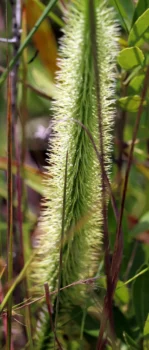
Featherstem Clubmoss: A Living Link to Ancient Forests
Meet the featherstem clubmoss (Lycopodiella prostrata), one of nature’s most fascinating living fossils! This isn’t your typical garden plant – it’s actually a primitive vascular plant that’s been around since before dinosaurs roamed the earth. While it might look like a tiny evergreen shrub at first glance, this little wonder belongs to an ancient group of plants called lycopods that reproduce with spores instead of seeds.
What Exactly Is Featherstem Clubmoss?
Featherstem clubmoss is a low-growing, perennial plant that spreads along the ground in wet, boggy areas. Don’t let the name fool you – it’s not actually a moss at all! It’s a lycopod, which makes it more closely related to ferns than to true mosses. The featherstem part of its name comes from its delicate, branching stems that really do look like tiny green feathers scattered across the landscape.
This native beauty is found naturally across the southeastern United States, calling home to wetlands in Alabama, Arkansas, Florida, Georgia, Louisiana, Mississippi, North Carolina, South Carolina, and Texas. It’s perfectly adapted to life in consistently wet, acidic soils where many other plants would struggle to survive.
- Species observed
- No observations
Is It Beneficial for Your Garden?
Here’s where things get interesting – and a bit complicated. Featherstem clubmoss can be incredibly beneficial, but only in very specific situations:
- Wetland restoration projects: It’s fantastic for recreating natural bog ecosystems
- Educational gardens: Perfect for teaching about plant evolution and ancient ecosystems
- Specialized bog gardens: Ideal for creating authentic wetland plant communities
- Conservation efforts: Helps preserve this rare native species
Important note: This plant has a rarity status of S1 (critically imperiled) in Arkansas, meaning it’s extremely rare and vulnerable. If you’re interested in growing it, make absolutely sure you source it from reputable native plant nurseries that propagate it responsibly – never collect from the wild!
How to Identify Featherstem Clubmoss
Spotting featherstem clubmoss in the wild (or in cultivation) is all about knowing what to look for:
- Growth pattern: Forms low, creeping mats that hug the ground
- Stems: Delicate, branching stems that resemble tiny feathers or bottle brushes
- Leaves: Tiny, scale-like leaves densely packed along the stems
- Color: Bright to dark green, staying evergreen year-round
- Habitat: Almost always found in wet, boggy, or swampy areas
- Spores: Look for small, club-like structures (sporangia) at stem tips during reproductive season
Special Growing Requirements
If you’re thinking about incorporating featherstem clubmoss into your landscape, be prepared for some very specific needs:
- Moisture: Requires constantly wet to saturated soil – this is non-negotiable
- Soil type: Prefers acidic, nutrient-poor soils typical of bogs and wetlands
- Light: Tolerates both partial shade and full sun, as long as moisture needs are met
- Climate: Best suited for USDA zones 7-10
- Companions: Thrives alongside other wetland natives like sundews, pitcher plants, and bog irises
The Bottom Line
Featherstem clubmoss isn’t for everyone or every garden. It’s a specialized plant that requires very specific wetland conditions to thrive. However, if you’re creating a bog garden, working on wetland restoration, or simply fascinated by ancient plant life, this little clubmoss can be an incredibly rewarding addition to your landscape.
Just remember – with great botanical beauty comes great responsibility. Always source your plants ethically, never disturb wild populations, and consider this living fossil as the precious link to our planet’s ancient past that it truly is!