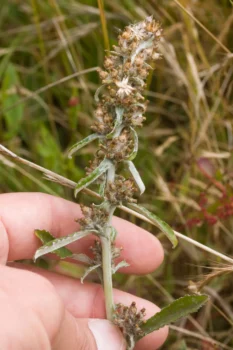
Featherweed: A Modest Native with Surprising Garden Value
If you’re looking for a flashy showstopper to anchor your garden beds, featherweed (Gamochaeta ustulata) probably isn’t your plant. But if you appreciate the quiet charm of native species and want to support local ecosystems, this unassuming little forb might just win you over with its understated elegance and remarkable adaptability.
What Exactly Is Featherweed?
Featherweed is a native North American plant that botanists classify as a forb—essentially a non-woody flowering plant that lacks the substantial stems of shrubs or trees. This adaptable little plant can live as an annual, biennial, or perennial depending on growing conditions, making it quite the shape-shifter in the plant world. You might also encounter it under its former scientific names, including Gnaphalium ustulatum.
Where Does Featherweed Call Home?
This native beauty has made itself at home across the western regions of North America, naturally occurring in British Columbia, California, Oregon, and Washington. Its wide distribution speaks to its remarkable adaptability—a trait that makes it an excellent choice for gardeners dealing with challenging growing conditions.
- Species observed
- No observations
What Does Featherweed Look Like?
Let’s be honest: featherweed won’t stop traffic with its looks. The plant produces small, cream-colored to white flower heads that cluster together in modest displays. Its narrow leaves have a distinctive woolly texture that gives the plant a soft, almost fuzzy appearance. While it may not have the bold presence of a sunflower or the romantic appeal of a rose, featherweed has its own subtle charm that grows on you over time.
Why Consider Growing Featherweed?
Despite its modest appearance, featherweed offers several compelling reasons to earn a spot in your garden:
- Native plant benefits: As a true native, it supports local ecosystems and requires fewer resources than non-native alternatives
- Pollinator support: Small flowers attract various pollinators, including flies and small native bees
- Low maintenance: Once established, it’s remarkably self-sufficient
- Adaptability: Thrives in a wide range of conditions and soil types
- Natural filler: Perfect for filling gaps in wildflower meadows or naturalistic plantings
Where Does Featherweed Fit in Your Garden?
Featherweed shines in informal, naturalistic settings rather than formal garden beds. Consider it for:
- Wild or prairie-style gardens
- Native plant collections
- Meadow restorations
- Ground cover in challenging areas
- Filler plant in mixed native plantings
Growing Featherweed Successfully
One of featherweed’s greatest assets is its easy-going nature. Here’s what you need to know:
Climate Requirements: Hardy in USDA zones 3-9, making it suitable for most temperate regions.
Soil Preferences: Adaptable to various soil types but prefers well-draining conditions. It’s surprisingly tolerant of poor soils that might challenge other plants.
Water Needs: Once established, featherweed is quite drought-tolerant, making it an excellent choice for water-wise gardens.
Planting Tips: This self-seeding plant often takes care of propagation on its own. If you’re starting from seed, scatter them in fall or early spring and barely cover with soil.
Care and Maintenance
Here’s the best part about featherweed: it practically takes care of itself. This low-maintenance native requires minimal intervention once established. Simply provide adequate drainage and step back—it will handle the rest. Because it self-seeds readily, you may find new plants appearing in unexpected places, which is either delightful or slightly annoying depending on your gardening philosophy.
The Bottom Line
Featherweed isn’t going to transform your garden into a magazine-worthy showcase, but it offers something perhaps more valuable: authentic native character with minimal fuss. For gardeners interested in supporting local ecosystems, creating habitat for native pollinators, or simply appreciating the quiet beauty of indigenous plants, featherweed represents an excellent choice. Its adaptability and low-maintenance nature make it particularly appealing for those seeking sustainable gardening practices or dealing with challenging growing conditions.
While it may never be the star of your garden, featherweed excels as a reliable supporting player that adds authentic native charm wherever it grows.