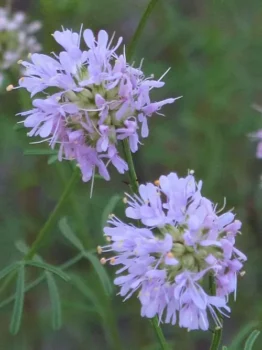
Feay’s Prairie Clover: A Rare Native Gem for Southeastern Gardens
If you’re looking for a truly unique addition to your native plant garden, Feay’s prairie clover (Dalea feayi) might just be the hidden treasure you’ve been seeking. This perennial wildflower is one of those special plants that makes you feel like you’re part of an exclusive club – and for good reason.
What Makes Feay’s Prairie Clover Special?
Feay’s prairie clover is a native perennial forb that calls the southeastern United States home. As a member of the legume family, this herbaceous plant lacks woody tissue above ground but makes up for it with its ecological value and delicate beauty. You might also see it listed under its scientific synonym, Petalostemon feayi, in older gardening references.
Where Does It Naturally Grow?
This southeastern native has a pretty exclusive address – you’ll find it naturally occurring in just two states: Florida and Georgia. Its limited geographic range makes it a truly special plant for gardeners in these areas who want to grow something that’s genuinely local.
- Species observed
- No observations
Why Grow Feay’s Prairie Clover?
Here’s where things get interesting (and a bit mysterious). While specific information about Feay’s prairie clover is limited – which often indicates a rare or understudied species – we can make some educated guesses based on its prairie clover relatives:
- Pollinator magnet: Prairie clovers are typically beloved by bees, butterflies, and other beneficial insects
- Low maintenance: Most Dalea species are drought-tolerant once established
- Nitrogen fixing: As a legume, it helps improve soil health
- Native authenticity: Perfect for creating truly local ecosystems
Garden Design Ideas
Feay’s prairie clover would likely shine in:
- Native wildflower meadows
- Prairie restoration projects
- Pollinator gardens
- Natural landscape borders
- Rain gardens (depending on moisture preferences)
Growing Conditions and Care
Here’s where we hit a bit of a knowledge gap – specific growing information for Feay’s prairie clover is surprisingly scarce. However, based on its geographic range and family characteristics, it likely thrives in:
- USDA Hardiness Zones: Probably 8-10, given its Florida and Georgia distribution
- Sunlight: Most prairie clovers prefer full sun
- Soil: Likely adaptable to various soil types, possibly preferring well-draining conditions
- Water: Probably drought-tolerant once established
A Word of Caution (And Opportunity)
The limited information available about Feay’s prairie clover suggests it may be quite rare. If you’re lucky enough to find seeds or plants, make sure they’re from reputable, ethical sources that don’t harvest from wild populations. This could be your chance to help conserve a special native species while adding something truly unique to your garden.
The Bottom Line
Feay’s prairie clover is like that rare vinyl record that serious collectors dream about finding. It’s native, it’s special, and it’s probably great for pollinators – but it’s also a bit of a mystery. If you’re in Florida or Georgia and can source it responsibly, this could be the conversation starter your native garden needs. Just be prepared to become the local expert, because you might be one of the few people growing it!
Have you encountered Feay’s prairie clover in the wild or in cultivation? We’d love to hear about your experiences with this elusive southeastern native.