Felwort: A Charming Alpine Wildflower for Cool Climate Gardens
If you’ve ever hiked through mountain meadows and spotted tiny star-shaped purple flowers dotting the landscape, you might have encountered felwort (Swertia perennis). This delightful little wildflower is one of those hidden gems that deserves more attention from gardeners who appreciate unique, native plants with a story to tell.
What Makes Felwort Special
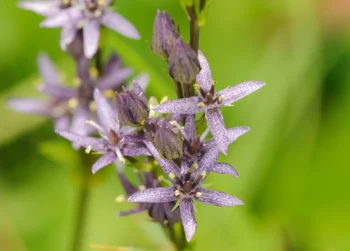
Felwort is a perennial forb – basically a non-woody flowering plant that comes back year after year. Don’t let its modest size fool you; this alpine beauty packs a punch with its deep blue to purple star-shaped flowers that typically sport four to five petals. The blooms appear in mid to late summer, creating lovely clusters that seem to twinkle against the plant’s simple green foliage.
As a true North American native, felwort has an impressive range. It’s naturally found across Alaska, Canada, and much of the western United States, thriving in states including Arizona, California, Colorado, Idaho, Montana, Nevada, New Mexico, Oregon, Utah, Washington, and Wyoming, plus British Columbia.
- Species observed
- No observations
Is Felwort Right for Your Garden?
Here’s where we need to have an honest conversation. Felwort isn’t your typical garden center perennial, and there’s a good reason for that. This mountain dweller has some pretty specific preferences that make it challenging for the average gardener.
The Good News:
- It’s incredibly hardy (USDA zones 2-7) – perfect for cold climate gardeners
- Attracts beneficial pollinators like native bees, flies, and small butterflies
- Adds unique character to specialized garden settings
- Requires minimal maintenance once established
- Supports local ecosystems as a native species
The Challenges:
- Needs consistently cool, moist conditions
- Not suitable for hot, dry climates or typical suburban gardens
- Can be difficult to source and establish
- May go dormant during hot spells
Perfect Garden Settings for Felwort
Felwort shines in specialized garden environments that mimic its natural habitat:
- Alpine and rock gardens: Where it can nestle between stones and enjoy excellent drainage
- Mountain wildflower gardens: Paired with other high-altitude natives
- Wetland margins: Its facultative wetland status means it thrives in moist but not waterlogged conditions
- Naturalized meadow areas: Especially in cooler, mountainous regions
Growing Conditions: Getting It Right
Success with felwort comes down to understanding its mountain meadow origins. Think cool, crisp mornings with plenty of moisture and bright but not scorching sun.
Light: Full sun to partial shade – it appreciates some afternoon protection in warmer areas
Soil: Well-draining but moisture-retentive soil with neutral to slightly alkaline pH. It doesn’t like to dry out completely, but soggy conditions are equally problematic.
Water: Consistent moisture is key, especially during the growing season. This isn’t a drought-tolerant plant.
Temperature: Thrives in cool conditions and actually needs cold winter temperatures to perform well
Planting and Care Tips
If you’re determined to try growing felwort (and we admire your adventurous spirit!), here are some insider tips:
- Start from seed: Seeds need cold stratification (a period of cold, moist treatment) to germinate properly
- Spring planting: Best planted in spring after the last frost
- Mulch wisely: A light mulch of small stones or coarse sand helps with drainage while retaining moisture
- Be patient: This isn’t a fast-growing plant – it takes time to establish and may not bloom in its first year
- Don’t panic if it disappears: It may go dormant during hot, dry periods and re-emerge when conditions improve
The Bottom Line
Felwort is definitely a plant for the gardening enthusiast rather than the casual weekend warrior. If you live in a cool climate, love alpine plants, and enjoy the challenge of growing something truly special, this little wildflower could be a wonderful addition to your specialized garden areas.
However, if you’re looking for a reliable, low-maintenance perennial for a typical garden bed, you might want to consider other native options that are better suited to general garden conditions. There’s no shame in admitting that some plants are happier left to their mountain meadow homes!
For those brave enough to try, successfully growing felwort is like having a little piece of the mountains right in your backyard – and that’s pretty special indeed.