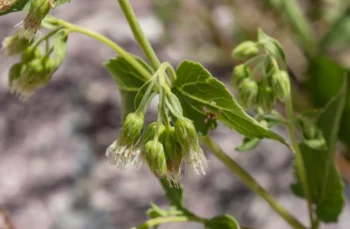
Fendler’s Brickellbush: A Compact Native Gem for Southwestern Gardens
If you’re looking for a low-maintenance native plant that won’t take over your garden but will quietly charm visitors with its delicate blooms, meet Fendler’s brickellbush (Brickelliastrum fendleri). This unassuming perennial shrub might not be the showiest plant in your garden, but it’s definitely one of the most reliable.
What Makes Fendler’s Brickellbush Special?
Fendler’s brickellbush is a true southwestern native, naturally occurring across Arizona, New Mexico, and Texas. This perennial shrub stays refreshingly compact, typically growing less than 1.5 feet tall and never exceeding 3 feet at maturity. Think of it as the garden equivalent of a well-behaved houseguest – it knows its place and doesn’t overstay its welcome.
- Species observed
- No observations
You might also encounter this plant under its former scientific names, including Brickellia fendleri or Eupatorium fendleri, as botanists have shuffled it around a bit over the years. But regardless of what you call it, this little shrub remains the same dependable garden companion.
Garden Appeal and Landscape Role
Don’t let its modest size fool you – Fendler’s brickellbush brings subtle beauty to the garden with its clusters of small white to pale pink flowers and attractive silvery-green foliage. It’s perfect for:
- Rock gardens where you need something low-growing but interesting
- Desert and xerophytic landscapes
- Native plant gardens focusing on southwestern species
- Naturalized areas where you want gentle structure without overwhelming drama
- Groundcover applications in sunny spots
Pollinator and Wildlife Benefits
Here’s where Fendler’s brickellbush really shines – it’s a magnet for pollinators! The small flowers attract butterflies, native bees, and other beneficial insects, making it an excellent choice for gardeners wanting to support local wildlife. While specific wildlife benefits aren’t extensively documented, its membership in the sunflower family suggests it likely provides seeds for birds as well.
Growing Conditions and Care
This is where Fendler’s brickellbush becomes every busy gardener’s dream plant. As a native southwestern species, it’s naturally adapted to:
- Full sun exposure – it thrives in bright, direct sunlight
- Well-draining soils – soggy roots are not its friend
- Drought conditions – once established, it rarely needs supplemental watering
- USDA hardiness zones 7-10 – perfect for most southwestern gardens
Planting and Care Tips
The beauty of growing Fendler’s brickellbush lies in its simplicity:
- Plant in spring after the last frost for best establishment
- Choose a sunny location with excellent drainage
- Water regularly the first season to help roots establish
- Back off watering once established – this plant prefers the tough love approach
- Minimal pruning needed – just remove any dead or damaged growth
- No fertilizer required – it’s adapted to lean soils
Why Choose Fendler’s Brickellbush?
In a world of high-maintenance garden divas, Fendler’s brickellbush is the reliable friend who shows up when needed and never causes drama. It’s an excellent choice for gardeners who want to:
- Support native ecosystems and local wildlife
- Create water-wise landscapes
- Add subtle texture and seasonal interest
- Fill spaces that need something low-growing and permanent
- Attract pollinators without aggressive spreading
While it might not stop traffic with bold colors or dramatic foliage, Fendler’s brickellbush offers something perhaps more valuable – dependable beauty that works with your local environment rather than against it. For southwestern gardeners looking to embrace their region’s natural heritage while creating a sustainable landscape, this modest native shrub deserves a spot in the garden.