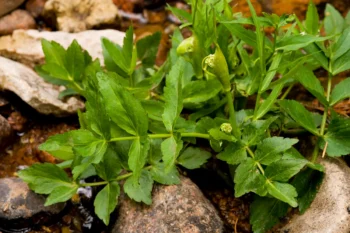
Fendler’s Cowbane: A Hidden Gem for Wetland Gardens
If you’re looking to add some delicate charm to your native wetland garden, let me introduce you to Fendler’s cowbane (Oxypolis fendleri). This unassuming perennial might not win any flashy flower contests, but it’s got a quiet elegance that makes it perfect for naturalistic landscapes and wildlife-friendly gardens.
What Is Fendler’s Cowbane?
Fendler’s cowbane is a native North American perennial that belongs to the carrot family. As a forb (basically a non-woody flowering plant), it brings a soft, herbaceous texture to the garden without any of the maintenance headaches that come with woody plants. This hardy perennial comes back year after year, making it a reliable addition to your native plant palette.
Where Does It Call Home?
This southwestern native has quite the range across the American West. You’ll find Fendler’s cowbane growing naturally in Arizona, Colorado, New Mexico, Utah, and Wyoming. It’s perfectly adapted to the challenging conditions of the high desert and mountain regions, which makes it a tough customer in the garden.
- Species observed
- No observations
Why Plant Fendler’s Cowbane?
Here’s where this little plant really shines. Fendler’s cowbane produces clusters of small white flowers arranged in delicate umbels that look like tiny umbrellas. While they might be modest in size, these blooms are absolutely beloved by pollinators. Small bees, beneficial insects, and flies can’t seem to get enough of them.
The plant’s fine-textured foliage adds a soft, almost ethereal quality to garden compositions. It’s the kind of plant that plays well with others, never hogging the spotlight but always contributing to the overall harmony of a planting.
Perfect Garden Partnerships
Fendler’s cowbane is tailor-made for:
- Native plant gardens focused on southwestern species
- Rain gardens and bioswales
- Wetland restoration projects
- Naturalistic landscapes that mimic wild riparian areas
- Wildlife habitat gardens
Growing Conditions That Make It Happy
Here’s where things get interesting – Fendler’s cowbane is what we call facultative wetland, which means it usually hangs out in wet areas but can tolerate some drier conditions too. Think of it as the flexible friend who’s happy to go with the flow.
For best results, give it:
- Consistently moist to wet soil
- Full sun to partial shade
- Good drainage (it likes moisture but not standing water)
- USDA hardiness zones 4-8
Planting and Care Tips
The beauty of native plants like Fendler’s cowbane is that they’re generally low-maintenance once established. Here are some tips to help yours thrive:
- Plant in spring after the last frost date
- Amend heavy clay soils with organic matter to improve drainage
- Water regularly during the first growing season to establish roots
- Once established, it can handle some drought but performs best with consistent moisture
- No need for fertilizers – native plants prefer lean soils
- Allow seed heads to remain for winter wildlife food and natural reseeding
A Wildlife-Friendly Choice
Beyond its pollinator appeal, Fendler’s cowbane supports local ecosystems in ways that non-native plants simply can’t match. Its seeds provide food for birds, and the plant structure offers shelter for small insects and other creatures that form the base of healthy food webs.
Is Fendler’s Cowbane Right for Your Garden?
If you have a spot that stays consistently moist and you’re passionate about supporting native wildlife, Fendler’s cowbane could be your new best friend. It’s not the showiest plant in the garden, but it’s exactly the kind of reliable, ecosystem-supporting perennial that makes native gardening so rewarding.
Just remember – this isn’t a plant for bone-dry desert gardens or formal landscapes. It wants that consistent moisture and looks best in naturalistic settings where its gentle, unassuming nature can really shine.