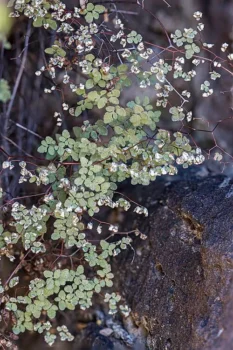
Fendler’s False Cloak Fern: A Rare Gem for Rocky Gardens
Meet one of the Southwest’s most charming yet elusive native ferns: Fendler’s false cloak fern (Argyrochosma fendleri). This delicate perennial might not be the showiest plant in your garden, but it brings a quiet elegance that’s hard to match—especially when you catch a glimpse of its silvery undersides dancing in the breeze.
What Makes This Fern Special?
Fendler’s false cloak fern is a true native treasure, calling the rocky slopes and canyons of Colorado, New Mexico, and Wyoming home. Unlike many ferns that prefer moist, shaded spots, this little survivor has adapted to life in some pretty tough conditions, making it a fascinating addition to the right garden setting.
- Species observed
- No observations
The fern gets its false cloak name from the way its fronds curl and appear to wrap around themselves, creating an almost protective appearance. Its scientific name, Argyrochosma fendleri, literally means silver hair, referring to the beautiful silvery-white scales on the undersides of the fronds that give this plant its distinctive shimmer.
A Word of Caution: Rarity Matters
Before you start planning where to plant this beauty, there’s something important to know: Fendler’s false cloak fern has a vulnerable conservation status. With only 21 to 100 known occurrences and between 3,000 to 10,000 individuals in the wild, this isn’t a plant to take lightly.
If you’re interested in growing this fern, please only source it from reputable native plant nurseries that propagate their own stock—never collect from the wild. Better yet, consider supporting conservation efforts for this species while enjoying it in its natural habitat.
Perfect Garden Situations
For those lucky enough to find responsibly sourced plants, Fendler’s false cloak fern shines in:
- Rock gardens with excellent drainage
- Crevice gardens between stones
- Native plant landscapes
- Alpine or montane-themed gardens
- Xeriscaping projects (yes, a drought-tolerant fern!)
This isn’t your typical woodland fern—it’s adapted to survive in rocky, well-draining soils where many other ferns would struggle. It adds fine texture and movement to rocky landscapes without competing with showier blooming plants.
Growing Conditions and Care
Successfully growing Fendler’s false cloak fern is all about mimicking its natural habitat:
- Soil: Well-draining, rocky soil is essential—think more gravel than garden loam
- Light: Partial shade to filtered sunlight
- Water: Drought tolerant once established, but appreciates occasional deep watering
- Climate: Hardy in USDA zones 4-8
The biggest mistake gardeners make with this fern is treating it like other ferns. Forget about rich, moist soil and constant moisture—this plant actually prefers to dry out between waterings and needs excellent drainage to prevent root rot.
Wildlife and Garden Benefits
While ferns don’t produce flowers for pollinators, they do provide important habitat benefits. The delicate fronds can offer shelter for small beneficial insects and add to the structural diversity that creates healthy garden ecosystems. Plus, there’s something deeply satisfying about successfully growing a plant that’s perfectly adapted to challenging conditions.
The Bottom Line
Fendler’s false cloak fern is definitely a plant for the dedicated native plant enthusiast rather than the casual gardener. Its rarity means it’s not readily available, and its specific growing needs require some understanding of xerophytic gardening principles.
If you have the right conditions and can source it responsibly, this fern offers a unique opportunity to grow something truly special—a piece of the American Southwest’s natural heritage right in your own rock garden. Just remember, with great rarity comes great responsibility!