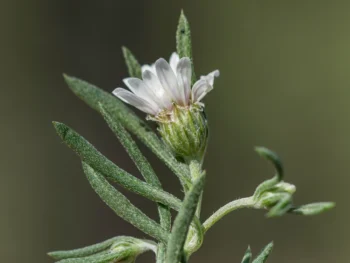
Fendler’s Townsend Daisy: A Rare Alpine Gem for Specialized Gardens
If you’re drawn to rare wildflowers and love a gardening challenge, Fendler’s Townsend daisy (Townsendia fendleri) might just capture your heart. This delicate annual native offers tiny but charming daisy-like blooms, but comes with some important considerations that every responsible gardener should know.
What Makes This Daisy Special
Fendler’s Townsend daisy is a small annual forb that produces lovely white to pale pink flowers with bright yellow centers. These delicate blooms, typically measuring 1-2 inches across, have a simple charm that’s perfect for gardeners who appreciate subtle beauty over flashy displays. As an herbaceous plant without woody stems, it completes its entire life cycle in a single growing season.
A True Native with a Limited Range
This little daisy is a genuine native of the American West, specifically calling the high-elevation areas of Colorado and New Mexico home. You’ll find it naturally growing in montane and subalpine zones where the air is thin and the growing season is short.
- Species observed
- No observations
Important Conservation Considerations
Here’s where things get serious: Fendler’s Townsend daisy has a Global Conservation Status of S2, meaning it’s considered Imperiled. With typically only 6 to 20 known occurrences and somewhere between 1,000 to 3,000 remaining individuals, this species is extremely rare and vulnerable to extinction.
What this means for gardeners: If you choose to grow this species, you must source seeds or plants only from reputable native plant societies, conservation organizations, or specialty nurseries that can guarantee their material wasn’t collected from wild populations. Never collect seeds or plants from the wild yourself.
Growing Challenges and Specialized Needs
Let’s be honest – this isn’t a plant for beginning gardeners or those looking for easy-care options. Fendler’s Townsend daisy has very specific requirements that mirror its high-altitude native habitat:
- Drainage: Absolutely critical – think rocky, sandy, or gravelly soils that drain quickly
- Sunlight: Full sun exposure
- Temperature: Cool conditions similar to mountain environments
- Hardiness zones: Likely zones 4-7, though it may struggle in warmer climates
Garden Design Applications
If you’re up for the challenge, Fendler’s Townsend daisy works best in:
- Alpine or rock gardens that mimic mountain conditions
- High-elevation native plant gardens
- Specialized conservation plantings
- Educational gardens focused on rare native plants
This isn’t a plant for mixed perennial borders or typical suburban landscapes – it needs the specialized conditions of an alpine-style garden to thrive.
Pollinator and Wildlife Value
While specific research on this species is limited due to its rarity, daisy-family flowers typically provide valuable nectar and pollen for native bees, butterflies, and other small pollinators. By growing this species responsibly, you’re potentially supporting the insects that have co-evolved with it over thousands of years.
The Bottom Line: Should You Grow It?
Fendler’s Townsend daisy is really only appropriate for dedicated native plant enthusiasts who can provide specialized alpine growing conditions and commit to responsible sourcing. If you’re passionate about plant conservation and have experience with challenging alpines, this rare beauty could be a meaningful addition to your garden.
However, if you’re simply looking for attractive native daisies that are easier to grow, consider more common alternatives like Shasta daisies or other Townsendia species that aren’t imperiled.
Remember: growing rare plants comes with responsibility. Every garden that successfully cultivates Fendler’s Townsend daisy from responsibly sourced material potentially helps ensure this species survives for future generations to appreciate.