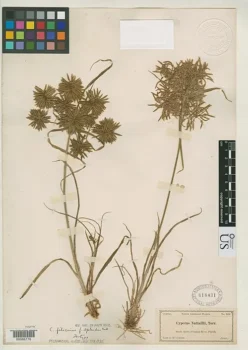
Fern Flatsedge: A Delicate Native Sedge for Wet Gardens
Meet fern flatsedge (Cyperus filicinus), a charming little native sedge that might just be the perfect solution for those soggy spots in your garden that seem impossible to plant. This unassuming grass-like plant is a true wetland specialist, bringing natural beauty to areas where many other plants would simply drown.
What is Fern Flatsedge?
Fern flatsedge is a native sedge that belongs to the Cyperaceae family – think of it as a cousin to grasses, but with a few quirky differences. You might also see it listed under some botanical synonyms like Cyperus nuttallii or varieties of Cyperus polystachyos, but don’t let the scientific names intimidate you.
This little plant can be either annual or perennial depending on growing conditions, which makes it quite adaptable within its preferred wet habitats. Its delicate, fine-textured foliage gives it an almost fern-like appearance – hence the fern in its common name.
Where Does Fern Flatsedge Grow Naturally?
Fern flatsedge is a proud native of the lower 48 states, with a distribution that spans much of the eastern United States. You’ll find it growing naturally in Alabama, Connecticut, Delaware, Georgia, Illinois, Louisiana, Maine, Maryland, Massachusetts, Mississippi, New Hampshire, New Jersey, New York, North Carolina, Pennsylvania, Rhode Island, South Carolina, and Virginia.
- Species observed
- No observations
A True Water Baby
Here’s what makes fern flatsedge really special: it’s classified as an Obligate Wetland plant across multiple regions. This means it almost always occurs in wetlands – it’s not just tolerant of wet conditions, it absolutely thrives in them. Whether you’re in the Atlantic and Gulf Coastal Plain, Eastern Mountains and Piedmont, Midwest, or Northcentral and Northeast regions, this plant wants its feet wet!
Why Grow Fern Flatsedge?
You might be wondering why you’d want to add this modest little sedge to your garden. Here are some compelling reasons:
- Native plant benefits: Supporting local ecosystems and biodiversity
- Problem solver: Perfect for those challenging wet areas where other plants struggle
- Low maintenance: Once established in the right conditions, it pretty much takes care of itself
- Natural appearance: Adds authentic texture to naturalistic and wetland gardens
- Erosion control: Helps stabilize wet soil areas
Where to Use Fern Flatsedge in Your Landscape
This isn’t a plant for your typical perennial border, but it shines in specialized settings:
- Rain gardens: Excellent choice for managing stormwater runoff
- Bog gardens: Perfect companion for other wetland natives
- Pond margins: Creates natural transitions around water features
- Wetland restoration projects: Helps recreate authentic wetland communities
- Naturalistic landscapes: Adds subtle texture and movement
Growing Conditions
Success with fern flatsedge is all about understanding its needs:
- Moisture: Consistently wet to saturated soils – this plant does not tolerate drought
- Light: Full sun to partial shade
- Soil: Adapts to various soil types as long as they stay moist
- Hardiness: Generally hardy in USDA zones 6-9, based on its natural distribution
Planting and Care Tips
The key to success with fern flatsedge is getting the water requirements right from the start:
- Plant in spring after the last frost
- Choose the wettest spot in your garden – seriously, the soggier the better
- Ensure consistent moisture; never let the soil dry out completely
- Mulching isn’t typically necessary in wet conditions
- Very little fertilization needed – wetland soils are often naturally rich
- Allow to self-seed in appropriate areas for natural colonies
Is Fern Flatsedge Right for Your Garden?
Fern flatsedge is definitely a specialist plant. If you have consistently moist to wet areas in your landscape and want to work with nature rather than against it, this native sedge could be perfect. It’s particularly valuable for gardeners interested in creating authentic regional plant communities or managing challenging wet sites.
However, if your garden tends toward the dry side or you’re looking for a showy specimen plant, you might want to consider other options. This is a plant chosen more for its ecological function and natural authenticity than for dramatic visual impact.
For gardeners committed to native plants and sustainable landscaping practices, fern flatsedge offers a wonderful opportunity to support local ecosystems while solving those tricky wet-site challenges that every gardener faces sooner or later.