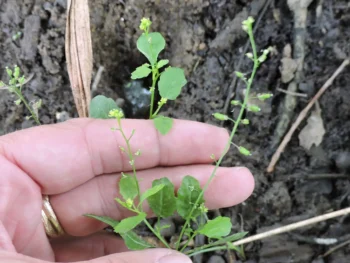
Fernald’s Yellowcress: A Humble Native with Big Ecological Impact
If you’re looking for a flashy garden showstopper, Fernald’s yellowcress might not be your first choice. But if you’re passionate about native plants and supporting local ecosystems, this modest little wildflower deserves a spot on your radar. While it may not win any beauty contests, Rorippa palustris fernaldiana brings something special to the table: authentic North American heritage and surprising adaptability.
What is Fernald’s Yellowcress?
Fernald’s yellowcress is a native North American forb – essentially a soft-stemmed herbaceous plant that lacks woody tissue. This adaptable little plant can live as an annual, biennial, or perennial depending on growing conditions, making it remarkably flexible in its lifestyle choices. It belongs to the mustard family and produces small clusters of yellow flowers that, while not particularly showy, have their own understated charm.
Where Does It Call Home?
Talk about a well-traveled native! Fernald’s yellowcress has one of the most impressive natural ranges you’ll find, stretching from Alaska all the way down to Alabama and from coast to coast. You can find this hardy plant growing naturally in states including Alabama, Alaska, Arizona, Arkansas, California, Colorado, Connecticut, Delaware, Florida, Georgia, Idaho, Illinois, Indiana, Iowa, Kansas, Kentucky, Louisiana, Maine, Maryland, Massachusetts, Michigan, Minnesota, Mississippi, Missouri, Montana, Nebraska, Nevada, New Hampshire, New Jersey, New Mexico, New York, North Carolina, North Dakota, Ohio, Oklahoma, Oregon, Pennsylvania, Rhode Island, South Carolina, South Dakota, Tennessee, Texas, Utah, Vermont, Virginia, Washington, West Virginia, Wisconsin, and Wyoming. It’s also native to Canadian provinces including Manitoba, Ontario, Quebec, and Saskatchewan.
- Species observed
- No observations
Should You Plant Fernald’s Yellowcress?
Here’s the honest truth: if you’re after dramatic garden impact or Instagram-worthy blooms, you might want to keep looking. Fernald’s yellowcress is more of a supporting actor than a leading star. However, there are some compelling reasons why you might want to give it a chance:
- Authentic native heritage: This plant has been part of North American ecosystems for thousands of years
- Pollinator support: Those small yellow flowers attract beneficial insects, including small bees and flies
- Wetland restoration: Perfect for rain gardens, pond edges, or areas that stay consistently moist
- Low maintenance: Once established, it pretty much takes care of itself
- Ecological value: Supports native wildlife and helps maintain biodiversity
Best Garden Settings for Fernald’s Yellowcress
This isn’t a plant for formal flower beds or manicured landscapes. Instead, consider Fernald’s yellowcress for:
- Rain gardens and bioswales
- Pond or stream edges
- Naturalized wildflower meadows
- Native plant collections
- Wetland restoration projects
- Areas with seasonal flooding
Growing Conditions and Care
The good news is that Fernald’s yellowcress isn’t particularly fussy – it’s adapted to a wide range of conditions across its native range. Here’s what it prefers:
- Hardiness zones: 2-9 (quite the range!)
- Light: Full sun to partial shade
- Soil: Moist to wet conditions; tolerates seasonal flooding
- Water: Consistent moisture is key – this plant doesn’t like to dry out completely
- pH: Adaptable to various soil pH levels
Planting and Care Tips
Growing Fernald’s yellowcress successfully is refreshingly straightforward:
- Location: Choose a spot that stays consistently moist or can handle seasonal wetness
- Timing: Spring or fall planting works well in most regions
- Maintenance: Very low once established – mainly just ensure adequate moisture
- Self-seeding: This plant may self-seed readily, so be prepared for volunteers in suitable conditions
- Companion plants: Pairs well with other native wetland plants like cardinal flower, swamp milkweed, or blue flag iris
The Bottom Line
Fernald’s yellowcress won’t win any garden glamour awards, but it brings something more valuable to the table: authentic native character and genuine ecological benefits. If you’re creating habitat for wildlife, restoring wetland areas, or simply want to support native biodiversity, this humble little plant deserves serious consideration. Just don’t expect it to steal the spotlight – its beauty lies in its quiet contribution to the larger ecosystem.
Remember, every native plant you add to your landscape is a small but meaningful step toward supporting the complex web of life that makes our local ecosystems thrive. Sometimes the most important players are the ones working behind the scenes.