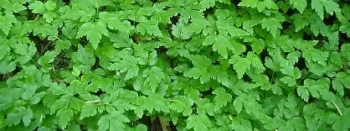
Fernleaf Goldthread: A Charming Native Groundcover for Shady Gardens
If you’ve ever wandered through the misty forests of the Pacific Northwest and stumbled upon delicate white flowers peeking through fernlike foliage, you’ve likely encountered fernleaf goldthread (Coptis aspleniifolia). This understated native perennial might not win any flashy flower contests, but it’s got a quiet charm that makes it absolutely perfect for gardeners looking to create authentic woodland landscapes.
What Makes Fernleaf Goldthread Special?
Fernleaf goldthread is a native perennial forb that brings subtle elegance to shaded garden spaces. As its common name suggests, this plant features deeply divided, fernlike leaves that create an intricate carpet of green throughout the growing season. The real showstopper comes in early spring when small, pristine white flowers emerge, providing one of the season’s first sources of nectar for early pollinators.
What sets this plant apart is its ability to thrive in those tricky spots where many other plants struggle – those cool, moist, shaded areas that leave many gardeners scratching their heads.
Where Does It Call Home?
This charming groundcover is native to the cool, temperate regions of North America, specifically thriving in British Columbia, Alaska, and Washington state. It’s perfectly adapted to the Pacific Northwest’s signature combination of mild, wet winters and relatively dry summers.
- Species observed
- No observations
Why Choose Fernleaf Goldthread for Your Garden?
There are several compelling reasons to consider adding this native beauty to your landscape:
- Native plant benefits: Supporting local ecosystems while reducing maintenance needs
- Early season interest: Provides spring flowers when little else is blooming
- Shade tolerance: Thrives in partial to full shade where other plants struggle
- Low maintenance: Once established, requires minimal care
- Pollinator support: Offers early nectar for beneficial insects and small pollinators
- Unique texture: The fernlike foliage adds interesting texture contrast to woodland gardens
Perfect Garden Settings
Fernleaf goldthread shines in several garden scenarios:
- Woodland gardens: Creates authentic understory plantings
- Shade gardens: Provides groundcover where grass won’t grow
- Native plant gardens: Adds regional authenticity
- Naturalized areas: Perfect for low-maintenance, natural-looking landscapes
- Rock gardens: Works well in cool, moist crevices
Growing Conditions and Care
The secret to success with fernleaf goldthread lies in mimicking its natural forest habitat:
Light Requirements: Partial to full shade is ideal. Morning sun with afternoon shade works well, but avoid hot, direct sunlight.
Soil Preferences: Well-draining but consistently moist soil is key. The plant appreciates acidic to neutral conditions and benefits from organic matter like leaf mold or compost.
Water Needs: Consistent moisture is important, especially during the growing season. However, the soil shouldn’t be waterlogged – think moist sponge rather than soggy.
Climate Considerations: This cool-climate lover thrives in USDA hardiness zones 3-7, making it perfect for northern gardens and high-elevation areas.
Planting and Establishment Tips
Getting your fernleaf goldthread off to a good start is straightforward:
- Best planting time: Spring or fall when temperatures are cool and moisture is more reliable
- Soil preparation: Amend heavy clay or sandy soils with organic matter
- Spacing: Allow adequate room for the plant to spread naturally as groundcover
- Mulching: Apply a layer of organic mulch to retain moisture and suppress weeds
- Watering: Keep consistently moist during the first growing season while roots establish
Special Considerations
Fernleaf goldthread has a facultative wetland status, meaning it can handle both wetland and non-wetland conditions. This adaptability makes it particularly valuable for areas with variable moisture conditions, such as seasonal drainage areas or the edges of rain gardens.
One thing to keep in mind: this isn’t a fast-growing plant that will give you instant gratification. Like many native woodland plants, it takes time to establish and spread. Patience is definitely a virtue when growing fernleaf goldthread, but the wait is worth it for the authentic woodland atmosphere it creates.
The Bottom Line
Fernleaf goldthread might not be the showiest plant in the garden center, but for gardeners looking to create sustainable, low-maintenance landscapes that support local wildlife, it’s a true gem. Its combination of early spring flowers, attractive foliage, and ability to thrive in challenging shade conditions makes it an excellent choice for Pacific Northwest gardens and similar climates.
If you’re working with a shaded area and want to incorporate native plants that truly belong in your landscape, fernleaf goldthread deserves serious consideration. Just remember to source your plants from reputable native plant nurseries to ensure you’re getting the true species and supporting sustainable gardening practices.