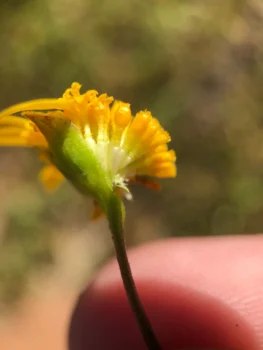
Ferris’ Goldfields: A Rare California Wetland Treasure
If you’re passionate about native plants and conservation, you may have heard whispers about Ferris’ goldfields (Lasthenia ferrisiae), a charming but elusive California endemic that’s captured the attention of botanists and conservationists alike. This small yellow wildflower might look unassuming, but it’s actually quite the VIP in the native plant world.
What Makes Ferris’ Goldfields Special?
Ferris’ goldfields is a native annual and perennial forb—basically a soft-stemmed herbaceous plant that lacks woody tissue. Don’t let its delicate appearance fool you though; this little survivor has adapted to one of California’s most challenging environments: seasonal wetlands and vernal pools.
The plant produces cheerful yellow, daisy-like flowers that bloom in spring, creating carpet-like displays when conditions are just right. As a member of the sunflower family, it shares that familiar sunny disposition we all love.
Where Does It Call Home?
This California exclusive is found only within the Golden State’s borders, where it inhabits the unique ecosystem of vernal pools and seasonal wetlands. These temporary pools fill with winter rains and gradually dry out as spring progresses, creating a boom-and-bust environment that few plants can handle.
- Species observed
- No observations
The Conservation Reality Check
Here’s where things get serious: Ferris’ goldfields has a Global Conservation Status of S3, meaning it’s considered vulnerable. With only 21 to 100 known occurrences and between 3,000 and 10,000 individuals estimated in the wild, this isn’t your everyday garden center find.
The plant’s rarity stems from habitat loss—California’s vernal pools have been dramatically reduced due to development and agricultural conversion. When you destroy a vernal pool, you’re not just removing a puddle; you’re eliminating an entire specialized ecosystem.
Should You Grow Ferris’ Goldfields?
The short answer? It’s complicated. While we absolutely encourage growing native plants, Ferris’ goldfields presents unique challenges:
- Specialized habitat needs: As an obligate wetland plant, it requires very specific seasonal flooding and drying cycles
- Rarity concerns: Any cultivation should only use responsibly sourced, legally obtained material
- Technical difficulty: Successfully recreating vernal pool conditions is extremely challenging
Growing Conditions and Care
If you’re determined to try growing this rare beauty (and we admire your conservation spirit!), here’s what you need to know:
- USDA Hardiness Zones: 8-10 (Mediterranean California climate)
- Soil: Heavy clay soils that hold water seasonally
- Water: Requires winter flooding followed by complete spring/summer drying
- Sun: Full sun exposure
- Timing: Seeds need cold, wet stratification followed by warm, dry conditions
Wildlife and Pollinator Benefits
Despite its small stature, Ferris’ goldfields punches above its weight in supporting local wildlife. The flowers attract native bees, butterflies, and other small pollinators during their brief but spectacular blooming period. Many of these pollinators are also specialists adapted to the vernal pool ecosystem.
The Bottom Line
Ferris’ goldfields is more of a conservation project than a typical garden plant. If you’re interested in supporting this vulnerable species, consider:
- Supporting organizations that protect vernal pool habitats
- Participating in citizen science projects that monitor rare plants
- Choosing other native California wildflowers that are easier to grow and less rare
- If attempting cultivation, work only with reputable native plant societies or botanical gardens
Remember, sometimes the best way to love a rare plant is to protect its wild habitat rather than trying to bring it into our gardens. Ferris’ goldfields serves as a beautiful reminder of California’s unique ecosystems and the importance of preserving these irreplaceable natural treasures for future generations.