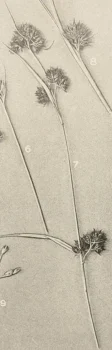
Fewflower Beaksedge: A Rare Native Sedge for Wetland Enthusiasts
If you’re passionate about wetland restoration or creating authentic bog gardens, you might want to learn about fewflower beaksedge (Rhynchospora rariflora). This unassuming native sedge may not win any beauty contests, but it plays an important ecological role in southeastern wetlands. Before you consider adding it to your landscape, there are some crucial things you need to know about this uncommon plant.
What Makes Fewflower Beaksedge Special
Fewflower beaksedge is a perennial sedge that’s truly a specialist. As its name suggests, this grass-like plant produces relatively few flowers compared to its beaksedge relatives. Don’t let the modest appearance fool you though – this little plant is perfectly adapted to life in consistently wet conditions where many other plants would struggle.
You might also see this plant listed under its synonym Schoenus rariflorus, but Rhynchospora rariflora is the currently accepted botanical name.
Where Does It Call Home?
This sedge is native to the southeastern United States and Puerto Rico. You can find it naturally occurring across a wide range of states including Alabama, Arkansas, Delaware, Florida, Georgia, Louisiana, Maryland, Mississippi, New Jersey, North Carolina, Oklahoma, South Carolina, Tennessee, Texas, and Virginia.
- Species observed
- No observations
Important Rarity Considerations
Here’s where things get serious: fewflower beaksedge is quite rare in many parts of its range. In Arkansas, it has a rarity status of S1S2, and in New Jersey, it’s actually listed as Endangered. This means if you’re interested in growing this plant, you absolutely must source it responsibly from reputable native plant nurseries that propagate their own stock – never collect from wild populations.
A True Wetland Specialist
This sedge is what botanists call an obligate wetland plant, meaning it almost always occurs in wetlands across all regions where it’s found. Whether you’re in the Atlantic and Gulf Coastal Plain, the Caribbean, Eastern Mountains and Piedmont, Great Plains, or Midwest regions, this plant demands consistently wet conditions.
Is Fewflower Beaksedge Right for Your Garden?
Let’s be honest – this isn’t a plant for the average garden. Fewflower beaksedge is best suited for:
- Wetland restoration projects
- Specialized bog or marsh gardens
- Rain gardens in appropriate climates
- Educational or conservation landscapes
If you’re looking for a showy ornamental plant, this probably isn’t your best choice. However, if you’re passionate about native plant conservation or have a legitimate wetland habitat to restore, it could be a valuable addition.
Growing Conditions and Care
Successfully growing fewflower beaksedge requires mimicking its natural wetland habitat:
- Moisture: Consistently wet to saturated soil conditions year-round
- Light: Full sun to partial shade
- Soil: Acidic, organic-rich wetland soils
- Climate: Best suited for USDA hardiness zones 7-10
Once established in the right conditions, this sedge requires minimal maintenance. The biggest challenge is providing the consistently wet conditions it absolutely needs to survive.
Wildlife and Ecosystem Benefits
While fewflower beaksedge may not be a pollinator magnet (sedges are wind-pollinated), it contributes to wetland ecosystem health. It helps with erosion control, provides habitat structure for wetland wildlife, and supports the complex web of life that makes healthy wetlands function.
The Bottom Line
Fewflower beaksedge is a plant for specialized situations and dedicated native plant enthusiasts. Given its rarity status, only consider growing it if you have the appropriate wetland conditions and can source it from responsible propagators. For most gardeners interested in native plants, there are more readily available and garden-friendly sedge species that might better serve your landscaping goals.
If you do decide to grow this rare beauty, you’ll be participating in conservation efforts and creating authentic wetland habitat. Just remember – with rare plants comes great responsibility to source and grow them ethically.