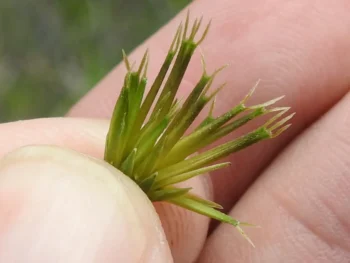
Fewflower Beggarticks: A Humble Native with Hidden Charms
Meet fewflower beggarticks (Bidens leptocephala), a native annual wildflower that might not win any beauty contests but certainly deserves a spot in the conversation about southwestern native plants. This unassuming member of the sunflower family brings some unique qualities to the table that make it worth considering for the right garden setting.
What Is Fewflower Beggarticks?
Fewflower beggarticks is an annual native plant that calls the American Southwest home. True to its name, this species produces relatively few flower heads compared to its more prolific beggarticks cousins, but what it lacks in quantity, it makes up for in adaptability and ecological value.
As an annual, this plant completes its entire life cycle in one growing season, sprouting from seed, flowering, producing seeds, and dying back each year. This might sound like a lot of work, but it’s actually one of the plant’s strengths – it can quickly colonize disturbed areas and provide habitat when other plants are struggling to establish.
Where Does It Grow?
This southwestern native has made itself at home across Arizona, New Mexico, and Texas, where it thrives in the region’s variable climate conditions. Its natural range reflects its tough, adaptable nature – these are states where plants need to be resilient to survive.
- Species observed
- No observations
The Goldilocks of Water Preferences
Here’s where fewflower beggarticks gets really interesting. This plant is what botanists call facultative when it comes to wetland conditions, which basically means it’s the Goldilocks of water preferences – it can handle wet conditions, dry conditions, and everything in between. Specifically:
- In the Arid West, it’s equally happy in wetlands and dry areas
- In the Great Plains, it leans toward wetland conditions but can still handle drier spots
- In the Western Mountains and Coast regions, it’s back to being adaptable to both wet and dry conditions
This flexibility makes it an excellent choice for areas where water availability varies throughout the year, such as rain gardens, seasonal wet areas, or spots that are soggy in spring but bone-dry by summer.
Should You Plant Fewflower Beggarticks?
The honest answer is: it depends on what you’re looking for. This isn’t a showstopper plant that will have neighbors stopping to admire your garden. Its small yellow flowers are pleasant but modest, and the overall plant has a rather informal, meadow-like appearance.
However, there are some compelling reasons to consider it:
- Native status: Supporting local ecosystems by choosing plants that belong here
- Water adaptability: Perfect for challenging spots with variable moisture
- Low maintenance: As a native annual, it knows how to take care of itself
- Wildlife support: Like other members of the sunflower family, it likely provides food for pollinators and seed for birds
Growing Fewflower Beggarticks Successfully
The good news is that growing this native is relatively straightforward, especially if you live within its natural range (USDA Hardiness Zones 7-10).
Getting Started
Since this is an annual plant, you’ll be starting from seed each year – unless you let it self-seed, which it’s likely to do quite readily. Plant seeds in spring after the last frost date, or in fall in milder winter areas.
Location and Soil
Choose a spot that gets full sun to partial shade. The plant’s wetland status tells us it’s not picky about soil moisture, so don’t stress too much about drainage. It can handle everything from occasionally soggy to fairly dry conditions.
Ongoing Care
Here’s the beauty of native annuals – they’re generally pretty self-sufficient once established. Water during extended dry periods if you want to keep the plants looking their best, but established plants should handle typical southwestern weather patterns without much intervention.
The Perfect Garden for Fewflower Beggarticks
This plant shines in naturalized settings rather than formal flower borders. Consider it for:
- Native plant gardens focused on local ecosystem support
- Wildflower meadows where a natural, informal look is desired
- Rain gardens or bioswales that need plants tolerant of variable moisture
- Restoration projects in disturbed areas
- Wildlife gardens where function matters more than form
The Bottom Line
Fewflower beggarticks won’t be the star of your garden, but it can be a valuable supporting player. If you’re drawn to native plants that support local ecosystems, need something tough for challenging growing conditions, or want to create habitat for wildlife, this humble annual deserves consideration. Just don’t expect garden magazine glamour – think prairie charm instead.
Sometimes the most valuable plants are the ones that do their job quietly and reliably, year after year. In a world of flashy garden stars, there’s something refreshing about a plant that’s simply, genuinely useful.