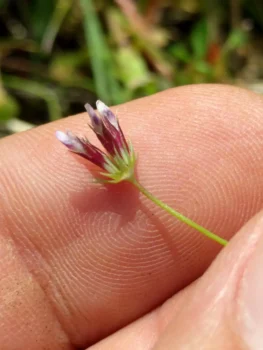
Fewflower Clover: A Charming Native Ground Cover for Pacific Coast Gardens
If you’re looking for a low-maintenance native plant that works overtime in your garden, let me introduce you to fewflower clover (Trifolium oliganthum). This delightful little annual might not win any flashy flower contests, but what it lacks in showiness, it more than makes up for in usefulness and ecological value.
What Is Fewflower Clover?
Fewflower clover is a native annual forb that belongs to the legume family. As its name suggests, this plant produces relatively few flowers compared to other clovers, but don’t let that fool you into thinking it’s not worth your attention. This humble ground-hugger has been quietly doing important work in Pacific Coast ecosystems for centuries.
You might also encounter this plant listed under its scientific synonyms Trifolium pauciflorum or Trifolium variegatum var. pauciflorum in older botanical references, but Trifolium oliganthum is the currently accepted name.
Where Does Fewflower Clover Call Home?
This native beauty is truly a child of the Pacific Coast. You’ll find fewflower clover growing naturally across a range that includes British Columbia, California, Nevada, Oregon, and Washington. It’s perfectly adapted to the unique climate conditions of this region, making it an excellent choice for gardeners who want to work with nature rather than against it.
- Species observed
- No observations
Why Grow Fewflower Clover in Your Garden?
There are several compelling reasons to consider adding fewflower clover to your native plant palette:
- Nitrogen fixation: Like other legumes, this plant forms partnerships with soil bacteria to convert atmospheric nitrogen into forms that plants can use, naturally enriching your soil
- Pollinator support: The small white to pinkish flowers provide nectar for bees and other beneficial insects
- Low maintenance: As an annual, it completes its life cycle in one year and often self-seeds for future generations
- Erosion control: Its low-growing habit helps stabilize soil on slopes or disturbed areas
- Native wildlife habitat: Supports local ecosystem relationships that have evolved over thousands of years
What Does Fewflower Clover Look Like?
Don’t expect towering height from this ground-level performer. Fewflower clover stays close to the earth, forming a carpet-like growth pattern typical of many native clovers. The flowers are small and appear in compact heads, ranging from white to pale pink. While individual blooms might be modest, they create a subtle, naturalistic beauty that’s perfect for wildflower gardens and restoration projects.
Perfect Garden Situations for Fewflower Clover
This adaptable native shines in several garden scenarios:
- Native plant gardens: An authentic addition to Pacific Coast native landscapes
- Wildflower meadows: Provides texture variation and soil benefits among other wildflowers
- Restoration projects: Excellent for rehabilitating disturbed soils or naturalized areas
- Pollinator gardens: Offers early season nectar when other plants are just getting started
- Slope stabilization: Helps prevent erosion while establishing other plants
Growing Conditions and Care
One of the best things about fewflower clover is its easy-going nature. This plant thrives in USDA hardiness zones 8-10, which corresponds perfectly with its native Pacific Coast range.
Here’s what fewflower clover needs to flourish:
- Sunlight: Full sun to partial shade
- Soil: Well-draining soils; tolerates poor or sandy conditions
- Water: Moderate moisture; drought-tolerant once established
- pH: Adaptable to various soil pH levels
Planting and Establishment Tips
Getting fewflower clover established in your garden is refreshingly straightforward:
- Timing: Direct seed in fall or early spring when soil temperatures are cool
- Preparation: Lightly rake the soil surface; this plant doesn’t need perfectly prepared beds
- Seeding: Scatter seeds and barely cover with soil; they need light to germinate
- Watering: Keep soil lightly moist until seedlings establish, then reduce watering frequency
- Maintenance: Minimal care needed; allow plants to complete their cycle and drop seeds for next year
A Note on Sourcing
When purchasing fewflower clover seeds, look for sources that specialize in native plants and can verify the genetic origin of their seeds. Local ecotype seeds will be best adapted to your specific growing conditions and will support authentic native plant communities.
The Bottom Line
Fewflower clover might not be the star of your garden show, but it’s definitely a valuable supporting cast member. This native annual offers soil improvement, pollinator support, and authentic Pacific Coast character with minimal fuss. Whether you’re creating a dedicated native garden or simply want to add some ecological function to your landscape, fewflower clover deserves consideration as a hardworking, low-maintenance ground cover that truly belongs in its native range.