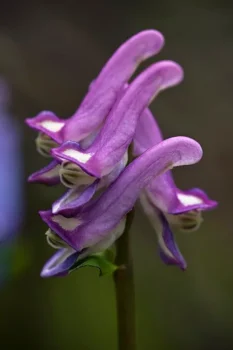
Fewflower Fumewort: A Hardy Arctic Beauty for Extreme Cold Gardens
If you’re gardening in the far north and looking for a truly unique native perennial that can handle whatever winter throws at it, meet fewflower fumewort (Corydalis pauciflora). This petite arctic wildflower might just be the toughest little plant you’ll ever grow – assuming you live somewhere cold enough to keep it happy!
What Is Fewflower Fumewort?
Fewflower fumewort is a small perennial forb that calls the coldest corners of North America home. As its common name suggests, this plant produces relatively few flowers compared to its showier relatives, but what it lacks in quantity, it makes up for in pure resilience. This herbaceous perennial lacks woody tissue and dies back to ground level each winter, emerging fresh each spring from buds at or below the soil surface.
Where Does It Grow Naturally?
This arctic native has quite an exclusive address list! You’ll find fewflower fumewort growing wild across Alaska, British Columbia, Yukon Territory, and the Northwest Territories. It’s perfectly adapted to the harsh conditions of the far north, where summer growing seasons are short and winters are, well, legendary.
- Species observed
- No observations
Why You Might (Or Might Not) Want to Grow It
The Good News:
- Incredibly cold hardy (USDA zones 1-4)
- Native plant that supports local ecosystems
- Low-maintenance once established
- Unique addition to specialized gardens
- Can handle both wetland and upland conditions
The Reality Check:
- Nearly impossible to grow in warmer climates
- Limited availability in nurseries
- Requires very specific growing conditions
- Small, subtle flowers won’t create dramatic displays
- Challenging propagation
Garden Design and Landscape Role
Fewflower fumewort isn’t going to be the star of your flower border, but it serves an important role in specialized gardens. Think of it as the perfect plant for:
- Arctic and subarctic native plant gardens
- Rock gardens in extremely cold climates
- Educational native plant collections
- Naturalized areas that mimic tundra conditions
Its delicate, fern-like foliage and small yellow flowers provide subtle texture and color while supporting the tiny pollinators that brave harsh northern conditions.
Growing Conditions and Care
Here’s where things get interesting – fewflower fumewort is essentially nature’s way of saying only the truly cold need apply. This plant thrives in conditions that would send most garden plants packing:
Climate Requirements: USDA hardiness zones 1-4 only. If you experience hot summers, this plant simply won’t survive.
Soil Needs: Adaptable to various soil types but requires excellent drainage. Its facultative wetland status means it can handle both moist and dry conditions, but soggy, poorly-draining soil will spell disaster.
Light Requirements: Tolerates full sun to partial shade, adapting to the long daylight hours of northern summers.
Planting and Propagation Tips
Growing fewflower fumewort from seed requires patience and the right conditions:
- Seeds need cold stratification (several months of cold, moist conditions)
- Mimic natural conditions with fall planting outdoors
- Be prepared for slow establishment – this isn’t a instant-gratification plant
- Source seeds or plants responsibly from reputable native plant suppliers
Wildlife and Pollinator Benefits
While we don’t have extensive data on specific wildlife relationships, fewflower fumewort likely provides nectar for hardy native pollinators that can handle arctic conditions. As a native plant, it fits naturally into local food webs and ecosystem relationships that have developed over thousands of years.
The Bottom Line
Fewflower fumewort is definitely a niche plant – but if you’re gardening in the extreme north and want to grow something truly special and locally native, it’s worth considering. Just remember that this arctic beauty requires arctic conditions to thrive. For gardeners in warmer zones, you’ll have better luck with other Corydalis species or native plants suited to your climate.
If you do have the right conditions and can source this plant responsibly, you’ll be growing one of nature’s toughest little survivors – a plant that laughs in the face of -40°F temperatures and keeps on growing!