Fewflower Spikerush: A Rare Native Wetland Plant Worth Protecting
If you’re looking to create an authentic wetland garden or help with native plant conservation, fewflower spikerush (Eleocharis quinqueflora) might just be the unassuming hero your landscape needs. This petite perennial sedge may not win any beauty contests, but it plays a crucial role in North America’s wetland ecosystems and deserves our attention—especially given its precarious status in some regions.
What Is Fewflower Spikerush?
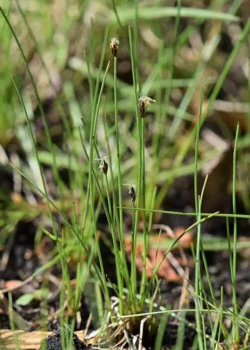
Fewflower spikerush is a small, grass-like perennial that belongs to the sedge family. Don’t let its modest appearance fool you—this tough little plant has mastered the art of surviving in some of North America’s most challenging wetland environments. Its thin, rush-like stems topped with tiny brownish flower spikes create subtle texture rather than showy blooms, making it a perfect supporting player in naturalistic plantings.
Where Does It Grow Naturally?
This remarkable sedge has one of the most impressive native ranges you’ll find, stretching across Alaska, Canada, Greenland, and much of the continental United States. You can find it thriving in wetlands from the Arctic tundra to mountain bogs, spanning an incredible geographic range that includes:
- All Canadian provinces and territories
- Alaska and most northern U.S. states
- Mountain regions extending south to Arizona, New Mexico, and California
- Scattered populations in the Great Lakes region and Northeast
- Species observed
- No observations
A Plant in Peril: Conservation Concerns
Here’s where things get serious: despite its wide historical range, fewflower spikerush is endangered in New Jersey, where it holds a rarity status of S1 (critically imperiled). This means if you’re lucky enough to encounter this plant in the wild—especially in areas where it’s rare—it’s crucial to leave it undisturbed and appreciate it from a distance.
The Ultimate Wetland Specialist
Fewflower spikerush doesn’t mess around when it comes to habitat preferences—it’s what botanists call an obligate wetland species across all regions where it grows. This means it almost always occurs in wetlands and requires consistently saturated soils to thrive. Think of it as nature’s way of saying if it’s not soggy, I’m not interested.
Should You Grow Fewflower Spikerush?
The short answer is: maybe, but with important caveats. If you’re creating a specialized wetland garden, bog garden, or rain garden in USDA hardiness zones 2-7, fewflower spikerush could be a valuable addition. However, given its endangered status in some areas, responsible sourcing is absolutely critical.
Perfect for These Garden Types:
- Wetland restoration projects
- Naturalistic bog gardens
- Rain gardens with permanent moisture
- Native plant conservation gardens
- Pond or stream edge plantings
Growing Conditions and Care
If you decide to grow fewflower spikerush, be prepared to meet its very specific needs:
- Moisture: Consistently saturated to wet soils—this isn’t negotiable
- Light: Full sun to partial shade
- Soil: Tolerates various soil types as long as they stay wet
- Climate: Thrives in cooler climates (zones 2-7)
- pH: Adaptable to various pH levels in wetland conditions
The Responsible Gardener’s Approach
Given its conservation status, here’s how to approach growing fewflower spikerush ethically:
- Only purchase from reputable native plant nurseries that grow from responsibly sourced seed
- Never collect plants or seeds from wild populations
- Consider supporting wetland conservation organizations instead of growing it personally
- If you do grow it, participate in seed collection programs for conservation efforts
Wildlife Value
While fewflower spikerush is wind-pollinated and doesn’t attract pollinators like flashier flowers do, it still provides valuable ecosystem services. Sedges like this one offer habitat for various wetland creatures and help stabilize soil in sensitive wetland environments.
The Bottom Line
Fewflower spikerush represents both the resilience and vulnerability of our native wetland plants. While it has conquered vast northern territories, its endangered status in places like New Jersey reminds us that even the toughest plants need our protection. If you’re passionate about wetland conservation and have the right growing conditions, this modest sedge could be a meaningful addition to your garden—just make sure you’re part of the solution, not the problem, when it comes to its conservation.
Sometimes the most important plants in our gardens aren’t the ones that make the biggest splash, but the ones that quietly support the ecosystems we’re trying to protect.