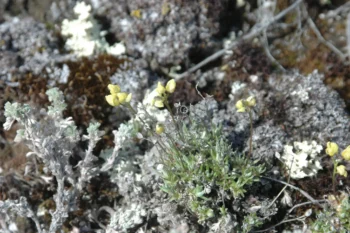
Fewseed Draba: A Tiny Alpine Treasure for Rock Gardens
If you’re drawn to the delicate beauty of alpine plants, fewseed draba (Draba oligosperma) might just capture your heart. This diminutive native perennial brings a touch of mountain magic to rock gardens and alpine landscapes, though it requires some special consideration before adding it to your garden.
What is Fewseed Draba?
Fewseed draba is a small, cushion-forming forb that belongs to the mustard family. This hardy perennial creates low mats of tiny rosettes, each crowned with delicate white flowers in spring. Despite its modest size, this little plant packs impressive resilience, thriving in some of North America’s harshest mountain environments.
Where Does It Call Home?
This alpine specialist is native to western North America, with populations scattered across Alaska, western Canada, and the western United States. You’ll find it naturally growing in states and provinces including Alaska, Alberta, British Columbia, California, Colorado, Idaho, Montana, Nevada, Oregon, Utah, Washington, Wyoming, Yukon, and the Northwest Territories.
- Species observed
- No observations
A Note About Conservation
Before we dive into growing tips, there’s something important to know: fewseed draba has varying conservation concerns across its range. In some areas, it’s considered rare or uncommon. If you’re interested in growing this plant, it’s crucial to source it only from reputable nurseries that propagate their own stock rather than collecting from wild populations. Never harvest seeds or plants from the wild.
Why Grow Fewseed Draba?
This little gem offers several compelling reasons to include it in the right garden setting:
- Perfect for rock gardens and alpine plant collections
- Extremely drought tolerant once established
- Provides early season nectar for small native pollinators
- Forms attractive ground-hugging mats
- Thrives in challenging conditions where other plants struggle
- Supports native plant biodiversity in your landscape
Garden Applications
Fewseed draba works beautifully in specialized garden settings. It’s ideal for rock gardens, scree gardens, alpine plant collections, and xeriscaped areas. The plant creates lovely textural contrast when planted alongside other small alpine species, and its low-growing habit makes it perfect for tucking into crevices between rocks or using as a living mulch around larger alpine plants.
Growing Conditions
Success with fewseed draba depends on mimicking its natural mountain habitat:
- Sunlight: Full sun exposure
- Soil: Extremely well-draining, rocky or sandy soil
- Water: Low water requirements; drought tolerant
- Climate: Cool temperatures preferred
- Hardiness: USDA zones 3-7
Planting and Care Tips
The key to success with fewseed draba is drainage, drainage, drainage! Here’s how to keep your plants happy:
- Plant in spring or early fall
- Ensure excellent drainage by amending heavy soils with coarse sand and gravel
- Water sparingly, especially during summer months
- Mulch with fine gravel rather than organic materials
- Avoid fertilizing, as rich soils can cause problems
- Protect from excessive winter moisture if needed
Pollinator and Wildlife Benefits
While small, fewseed draba’s early spring flowers provide valuable nectar for tiny native bees and other small pollinators when few other food sources are available. The plant’s seeds may also provide food for small birds and beneficial insects.
Is Fewseed Draba Right for Your Garden?
This plant is definitely not for everyone! Fewseed draba is best suited for dedicated rock gardeners and alpine plant enthusiasts who can provide the specific conditions it needs. It’s not a plant for traditional perennial borders or areas with rich, moist soils. However, if you’re passionate about native alpine plants and have the right growing conditions, this little treasure can be a rewarding addition to your collection.
Remember to source plants responsibly, provide excellent drainage, and be patient – alpine plants like fewseed draba often grow slowly but reward careful gardeners with years of understated beauty.