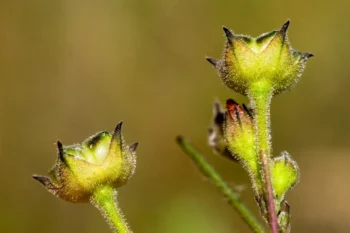
Field Anoda: A Charming Native Annual for Southwestern Gardens
If you’re looking for a delicate, drought-tolerant native plant to add subtle beauty to your southwestern garden, field anoda might just be the perfect choice. This unassuming little wildflower brings a touch of wild elegance to any landscape while supporting local ecosystems.
What is Field Anoda?
Field anoda (Anoda pentaschista) is a native annual forb that belongs to the mallow family. As a forb, it’s an herbaceous plant without woody stems, making it perfect for filling in gaps in your garden or creating soft, naturalized areas. Don’t let its humble appearance fool you – this little plant packs a lot of charm into its delicate frame.
Where Field Anoda Calls Home
This lovely native is found naturally across the southwestern United States, specifically in Arizona, California, New Mexico, and Texas. It’s perfectly adapted to the challenging conditions of these regions, making it an excellent choice for gardeners who want to work with nature rather than against it.
- Species observed
- No observations
Why You’ll Love Field Anoda in Your Garden
Field anoda brings several wonderful qualities to your landscape:
- Delicate pink to purple flowers that add subtle color without overwhelming other plants
- Heart-shaped leaves that create an attractive, soft texture
- Excellent drought tolerance once established
- Attracts beneficial pollinators, especially native bees
- Self-sows readily, creating natural drifts over time
- Perfect for xeriscaping and water-wise gardens
The Perfect Spot for Field Anoda
Field anoda thrives in USDA hardiness zones 8-11, making it ideal for southwestern and southern gardens. It’s particularly well-suited for:
- Desert and xeriscape gardens
- Naturalized wildflower areas
- Rock gardens
- Pollinator gardens
- Low-maintenance landscape borders
This adaptable plant serves as excellent ground cover and works beautifully when allowed to naturalize in less formal garden areas.
Growing Field Anoda Successfully
One of the best things about field anoda is how easy it is to grow. Here’s what you need to know:
Growing Conditions
- Full sun exposure
- Well-draining soil (clay, sandy, or rocky soils all work)
- Minimal water requirements once established
- Tolerates poor soil conditions
Planting and Care Tips
- Direct seed in spring after the last frost
- Scatter seeds lightly and barely cover with soil
- Water gently until germination occurs
- Once established, water sparingly – this plant prefers to be on the dry side
- No fertilization needed in most soils
- Allow some plants to go to seed for natural reseeding
Supporting Local Wildlife
By choosing field anoda, you’re not just adding beauty to your garden – you’re creating habitat for local wildlife. The flowers attract native bees and other small pollinators, while the seeds may provide food for birds. It’s a small but meaningful way to support your local ecosystem.
Is Field Anoda Right for Your Garden?
Field anoda is an excellent choice if you:
- Live in the southwestern United States
- Want to create a native plant garden
- Prefer low-maintenance plants
- Are developing a water-wise landscape
- Want to support local pollinators
- Enjoy subtle, naturalized beauty over flashy displays
While it may not be the showiest plant in your garden, field anoda offers the quiet satisfaction of growing something perfectly suited to your local environment. It’s proof that sometimes the most beautiful gardens are those that celebrate the native plants that have called your area home long before any of us arrived.