Field Locoweed: A Rare Native Gem Worth Protecting in Your Garden
If you’re passionate about native plants and conservation gardening, you’ve probably never heard of field locoweed (Oxytropis campestris var. chartacea). And honestly? That’s not entirely surprising. This little-known native perennial is one of Wisconsin’s botanical treasures – and unfortunately, one of its most threatened.
What Makes Field Locoweed Special?
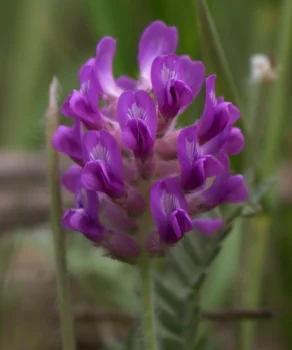
Field locoweed is a native forb that belongs to the legume family, and it’s got some serious conservation street cred. This perennial herb produces clusters of beautiful purple to violet flowers that bloom in dense, eye-catching racemes. The plant itself is quite striking, with silvery-hairy foliage that gives it an almost ethereal appearance in the garden.
Don’t let the name fool you – while some members of the Oxytropis genus can be toxic to livestock (hence the locoweed moniker), this particular variety is more about beauty than trouble.
Where Does Field Locoweed Call Home?
Here’s where things get interesting – and a bit concerning. Field locoweed is native to the lower 48 states, but its current distribution is extremely limited. In fact, you’ll only find this variety growing naturally in Wisconsin, making it what botanists call an endemic treasure.
- Species observed
- No observations
The Conservation Reality Check
Before we dive into growing tips, let’s address the elephant in the room: field locoweed is listed as threatened. This means that if you’re interested in growing this plant, you absolutely must source it responsibly. Never, ever collect plants or seeds from wild populations. Instead, work with reputable native plant nurseries or conservation organizations that can provide ethically propagated material.
Why Grow Field Locoweed?
So why would you want this rare beauty in your garden? Here are some compelling reasons:
- Conservation impact: Growing threatened native plants helps preserve genetic diversity
- Pollinator support: The flowers attract native bees and other small pollinators
- Unique beauty: Those silvery leaves and purple flower clusters are genuinely stunning
- Conversation starter: Your garden becomes a living classroom about rare plant conservation
Growing Conditions and Care
Field locoweed isn’t your typical garden center perennial, and it has some specific needs:
Climate Requirements: This plant thrives in USDA hardiness zones 2-5, so it’s definitely built for cooler climates. If you’re gardening in warmer zones, this probably isn’t the plant for you.
Soil Preferences: Well-drained soil is absolutely crucial. Field locoweed won’t tolerate wet feet, so if your garden tends to stay soggy, consider raised beds or improved drainage.
Light Needs: Full sun is preferred, though it can handle some light shade in hotter climates.
Maintenance: Once established, this perennial prefers minimal disturbance. It’s not a plant that appreciates constant fussing or frequent division.
What Type of Garden is Right for Field Locoweed?
This isn’t a plant for every garden style. Field locoweed works best in:
- Native plant gardens focused on regional flora
- Conservation or restoration projects
- Rock gardens with excellent drainage
- Specialized collections of rare or threatened plants
- Educational gardens at schools or nature centers
The Bottom Line
Field locoweed represents something special in the gardening world – a chance to grow a truly rare native plant while contributing to conservation efforts. However, it’s not a plant for casual gardeners or those looking for easy-care perennials.
If you’re serious about growing field locoweed, start by connecting with Wisconsin native plant societies or conservation groups. They can help you source plants ethically and provide region-specific growing advice. Remember, with great botanical rarity comes great responsibility – but also the incredible satisfaction of helping preserve a piece of our natural heritage right in your own backyard.
Just remember: only grow field locoweed if you can source it responsibly and provide the specific growing conditions it needs. This threatened beauty deserves our respect and our best gardening efforts.