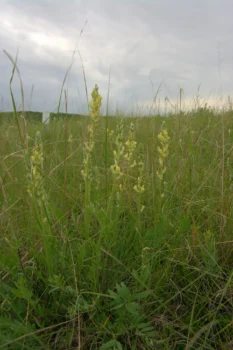
Field Locoweed: A Hardy Native Wildflower for Northern Gardens
If you’re looking for a tough-as-nails native wildflower that can handle whatever Mother Nature throws at it, field locoweed (Oxytropis campestris var. spicata) might just be your new garden companion. Don’t let the somewhat ominous common name fool you – this little prairie charmer has plenty to offer the right gardener.
What is Field Locoweed?
Field locoweed is a perennial forb – basically a non-woody flowering plant that comes back year after year. It’s part of the legume family, which means it has the superpower of fixing nitrogen in the soil through its root system. This hardy little plant forms low clumps of silvery, feathery foliage topped with spikes of purple-pink to white pea-like flowers.
Where Does Field Locoweed Call Home?
This plant is a true North American native, naturally found across a impressive range including Alberta, British Columbia, Manitoba, Saskatchewan, Yukon, Northwest Territories, Colorado, Montana, North Dakota, South Dakota, Washington, and Wyoming. It’s perfectly at home in both Canada and the lower 48 states, thriving in the challenging conditions of the northern Great Plains and Rocky Mountain regions.
- Species observed
- No observations
Why Consider Field Locoweed for Your Garden?
Here’s where field locoweed really shines:
- Extreme hardiness: This plant laughs in the face of harsh winters, thriving in USDA zones 2-6
- Drought tolerance: Once established, it needs very little water
- Pollinator magnet: The nectar-rich flowers attract native bees and other beneficial insects
- Low maintenance: Perfect for gardeners who prefer the plant it and forget it approach
- Soil improvement: As a legume, it actually helps improve soil fertility
The Perfect Spot for Field Locoweed
Field locoweed is happiest in full sun with well-drained soil. It’s particularly well-suited for:
- Prairie restoration projects
- Native wildflower gardens
- Rock gardens
- Xeriscapes (water-wise landscapes)
- Naturalized areas where you want low-maintenance color
A Word of Caution
The locoweed name isn’t just for show – many plants in the Oxytropis genus contain compounds that can be toxic to livestock if consumed in large quantities. While this typically isn’t an issue in home gardens, it’s worth knowing if you have grazing animals or live in an area where livestock might access your plantings.
Growing Field Locoweed Successfully
The good news? Field locoweed is refreshingly easy to grow once you understand its preferences:
- Soil: Well-drained is key – this plant hates wet feet
- Sun: Full sun for best flowering
- Water: Very drought tolerant once established; avoid overwatering
- Planting: Direct seed in fall for best germination
- Maintenance: Practically none required – this is a true set it and forget it plant
The Bottom Line
Field locoweed is an excellent choice for gardeners in northern climates who want a hardy, native wildflower that supports pollinators and requires minimal care. It’s particularly valuable for challenging sites with poor soil or limited water. Just remember to site it appropriately if livestock are a consideration, and you’ll have a reliable performer that connects your garden to the native landscape.
Whether you’re creating a prairie garden, need something tough for a difficult spot, or simply want to support native pollinators, field locoweed deserves a spot on your consideration list. Sometimes the most unassuming plants turn out to be the most rewarding garden companions.