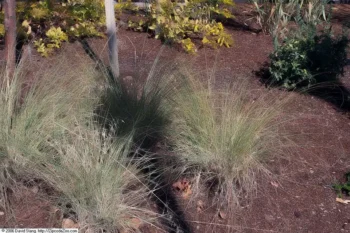
Field Lovegrass: A Native Grass That Loves Getting Its Feet Wet
If you’re looking for a native grass that doesn’t mind a little moisture in its life, field lovegrass (Eragrostis elliottii) might just be your new garden companion. This charming perennial grass brings a delicate, wispy texture to landscapes while being surprisingly adaptable to wet conditions.
What Exactly is Field Lovegrass?
Field lovegrass is a native perennial grass that belongs to the large and diverse grass family. Don’t let the lovegrass name fool you – it’s not particularly romantic, but it does have a lovely, fine-textured appearance that adds graceful movement to any garden. This southeastern native has been quietly beautifying wetlands and moist areas across its range for centuries.
Where Does Field Lovegrass Call Home?
This grass is a true southeastern native, naturally occurring across a wide swath of the American South. You’ll find field lovegrass growing wild in Alabama, Arkansas, Florida, Georgia, Louisiana, Mississippi, Missouri, North Carolina, Oklahoma, South Carolina, and Texas. It also extends its range into Puerto Rico and the U.S. Virgin Islands, showing its adaptability to warm, humid climates.
- Species observed
- No observations
Why Consider Field Lovegrass for Your Garden?
Field lovegrass brings several appealing qualities to the landscape:
- Native credentials: Supporting local ecosystems by choosing plants that belong in your region
- Wetland tolerance: Perfect for those soggy spots in your yard where other plants struggle
- Low maintenance: Once established, this grass pretty much takes care of itself
- Wildlife value: The seeds provide food for birds, and the grass structure offers habitat
- Aesthetic appeal: Delicate, airy seed heads create beautiful texture and movement
Perfect Spots for Field Lovegrass
This grass shines in several garden settings:
- Rain gardens: Its facultative wetland status means it handles both wet and moderately dry conditions
- Native plant gardens: A natural choice for authentic regional landscapes
- Wetland restoration areas: Helps stabilize soil and provides habitat
- Naturalized landscapes: Perfect for that wild meadow look
- Pond or stream edges: Thrives in consistently moist soil
Growing Conditions and Care
Field lovegrass is refreshingly easy to please. Here’s what it prefers:
- Sunlight: Full sun to partial shade – quite adaptable
- Soil: Moist to wet soils, though it can handle some drying out
- Hardiness: Suitable for USDA zones 8-11, matching its native range
- Water: Loves consistent moisture but won’t sulk if conditions occasionally dry out
Planting and Maintenance Tips
Getting field lovegrass established in your garden is straightforward:
- Timing: Plant in spring after the last frost or in early fall
- Spacing: Allow room for clumping growth habit
- Watering: Keep consistently moist during establishment
- Maintenance: Cut back in late winter before new growth begins
- Propagation: May self-seed in favorable conditions – embrace the volunteers!
Is Field Lovegrass Right for Your Garden?
Field lovegrass is an excellent choice if you garden in the southeastern United States and have areas with consistent moisture. It’s particularly valuable for gardeners interested in native plants, wildlife habitat, or solving drainage challenges naturally. However, if you’re outside its native range or have very dry conditions, you might want to consider other native grass options better suited to your specific region and conditions.
This unassuming grass proves that sometimes the most valuable garden plants are the ones that work quietly behind the scenes, providing structure, habitat, and natural beauty without demanding constant attention. In the right spot, field lovegrass will reward you with years of gentle, graceful presence in your landscape.