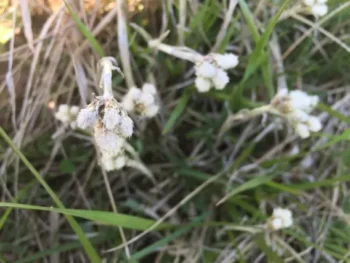
Field Pussytoes: A Charming Native Ground Cover for Your Garden
If you’re looking for a low-maintenance native ground cover that’s as resilient as it is charming, field pussytoes (Antennaria neglecta) might just be the perfect addition to your garden. This unassuming perennial forb has been quietly carpeting North American landscapes for centuries, and it’s ready to do the same for your yard—if you know how to work with its unique personality.
What Exactly Are Field Pussytoes?
Field pussytoes is a native North American perennial that belongs to the sunflower family. Don’t let the quirky common name fool you—this plant gets its moniker from its small, fuzzy flower clusters that supposedly resemble a cat’s paw. The scientific community knows it as Antennaria neglecta, though it has collected quite a few aliases over the years, including various Antennaria species names that botanists have shuffled around.
This stoloniferous forb (that’s fancy talk for a non-woody plant that spreads by runners) forms low, mat-like colonies that rarely exceed one foot in height. Its dark green foliage has a fine texture, and the plant produces small, inconspicuous red flowers during late spring.
Where Field Pussytoes Calls Home
Field pussytoes is impressively widespread, native to Canada, the lower 48 states, and even St. Pierre and Miquelon. You’ll find it naturally growing across a vast range including Alberta, British Columbia, Manitoba, and extending through much of the United States from Arkansas to Wyoming, and from Maine to Montana.
- Species observed
- No observations
However, there’s an important caveat for Arkansas gardeners: field pussytoes has a rarity status of S1 in the state, meaning it’s critically rare there. If you’re in Arkansas and want to grow this plant, please source it responsibly from reputable native plant nurseries rather than collecting from wild populations.
Why Your Garden Might Love Field Pussytoes
Field pussytoes excels in situations where other plants struggle. Here’s why it might earn a spot in your landscape:
- Drought tolerance: Once established, it requires minimal watering
- Low maintenance: Slow growth means less pruning and management
- Native pollinator support: Attracts small native bees and butterflies
- Ground cover potential: Forms attractive, low mats perfect for naturalized areas
- Fire tolerance: Surprisingly resilient to fire, making it suitable for prairie restorations
The Perfect Garden Scenarios
Field pussytoes thrives in:
- Native plant gardens and prairie restorations
- Rock gardens and xeriscapes
- Naturalized landscapes where you want low-growing coverage
- Areas with poor to medium fertility soils
- Spaces that receive full sun (it’s shade intolerant)
Growing Conditions: What Field Pussytoes Demands
This plant has some specific preferences you’ll want to respect:
Soil: Prefers fine to medium-textured soils with good drainage. It’s not picky about fertility—medium fertility is just fine.
Water: Low moisture requirements once established, though it has low drought tolerance initially
pH: Happiest in slightly acidic to neutral conditions (pH 5.5-7.5)
Sun: Full sun only—this plant doesn’t do shade
Climate: Hardy in USDA zones 3-7, tolerating temperatures down to -38°F
Planting and Care Tips
Growing field pussytoes successfully requires patience more than expertise:
Starting from seed: This is your main propagation option, as commercial availability is limited. Seeds are tiny (6.6 million per pound!) and germinate slowly with low seedling vigor. Start them in late winter or early spring.
Establishment: Be patient—this plant has a slow growth rate and takes time to establish. The payoff is a long-term ground cover that spreads gradually by stolons.
Maintenance: Once established, field pussytoes is refreshingly low-maintenance. It doesn’t require fertilization and actually prefers lean soils. Avoid overwatering, as it’s adapted to drier conditions.
Spacing: Since it spreads slowly, plant closer together if you want quicker coverage, but remember this is an investment in your garden’s future rather than instant gratification.
Wetland Considerations
Field pussytoes is primarily an upland plant, with its wetland status varying by region. In most areas (Eastern Mountains, Atlantic Coast, Midwest, and Northeast), it’s classified as Obligate Upland, meaning it almost never occurs in wetlands. In drier western regions and the Great Plains, it’s Facultative Upland, occasionally tolerating wetter conditions but preferring dry sites.
The Bottom Line
Field pussytoes won’t give you instant curb appeal or showy blooms, but it offers something perhaps more valuable: a resilient, native ground cover that supports local ecosystems while requiring minimal intervention once established. If you’re patient enough to let it settle in and appreciate subtle beauty over flashy displays, this humble native might become one of your garden’s most dependable performers.
Just remember to source responsibly, especially if you’re gardening in Arkansas where wild populations are rare. Your local native plant society or specialized nursery can help you find ethically sourced plants or seeds to start your own colony of these charming, cat-paw-flowered natives.