Field Sagewort: The Unsung Hero of Low-Maintenance Native Gardening
If you’re searching for a tough-as-nails native plant that thrives where others fear to tread, let me introduce you to field sagewort (Artemisia campestris). This humble member of the sunflower family might not win any beauty contests, but what it lacks in flashy flowers, it more than makes up for in resilience and ecological value.
What Exactly is Field Sagewort?
Field sagewort is a low-growing forb – think of it as an herbaceous plant without woody stems that keeps its growing points right at or below ground level. This biennial to perennial plant has a sprawling growth habit that makes it excellent for covering ground in challenging spots where other plants might throw in the towel.
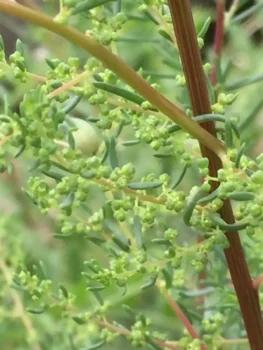
The silvery-green foliage gives off that characteristic sage-like aroma when brushed against, and in late summer, tiny greenish-yellow flowers appear in loose clusters. While these blooms won’t stop traffic, they’re surprisingly attractive to beneficial insects looking for a late-season pollen source.
A True North American Native
One of the most impressive things about field sagewort is its incredible native range. This plant calls home everywhere from Alaska and Greenland all the way down through Canada and across virtually the entire continental United States. You’ll find it growing naturally in an astounding array of locations including Alberta, Alabama, British Columbia, Alaska, Manitoba, New Brunswick, Arizona, California, Nova Scotia, Ontario, Colorado, Connecticut, Quebec, Saskatchewan, Yukon, Florida, Northwest Territories, Nunavut, Idaho, Illinois, Indiana, Iowa, Kansas, Maine, Massachusetts, Michigan, Minnesota, Mississippi, Missouri, Montana, Nebraska, Nevada, New Hampshire, New Jersey, New Mexico, New York, North Dakota, Ohio, Oklahoma, Oregon, Pennsylvania, Rhode Island, South Carolina, South Dakota, Texas, Utah, Vermont, Virginia, Washington, Wisconsin, Wyoming, Labrador, and Newfoundland.
- Species observed
- No observations
Why Plant Field Sagewort?
Here’s where field sagewort really shines – it’s the plant equivalent of that reliable friend who never complains and always shows up when you need them. This hardy native thrives in USDA hardiness zones 2 through 8, making it suitable for gardens from the frigid north to more temperate southern regions.
Field sagewort is classified as Obligate Upland across most of its range, meaning it almost never occurs in wetlands and prefers well-drained conditions. Only in the Western Mountains, Valleys, and Coast region does it show more flexibility as a Facultative Upland species.
Perfect for Challenging Garden Spots
If you’ve got a problem area in your landscape – you know, that dry, sandy corner where nothing seems to want to grow – field sagewort might be your solution. It’s ideal for:
- Prairie and meadow gardens
- Xeriscaping and drought-tolerant landscapes
- Coastal gardens where salt spray is a concern
- Erosion control on slopes and disturbed areas
- Naturalized areas where you want a low-maintenance ground cover
Growing Field Sagewort Successfully
The beauty of field sagewort lies in its simplicity. This plant actually prefers poor, well-drained soils – the sandy, gravelly stuff that makes other plants sulk. Give it full sun and good drainage, and you’re most of the way there.
Here are the key growing conditions:
- Light: Full sun (6+ hours of direct sunlight)
- Soil: Well-drained, sandy or gravelly soils; tolerates poor fertility
- Water: Drought tolerant once established; avoid overwatering
- pH: Adaptable to various soil pH levels
Planting and Care Tips
Field sagewort is refreshingly low-maintenance. Once established, it requires minimal care and may even self-seed in favorable conditions. The plant’s spreading habit makes it excellent for filling in large areas naturally.
Since it’s adapted to harsh conditions, avoid the temptation to pamper it with rich soil or frequent watering – this can actually weaken the plant and make it more susceptible to problems.
Wildlife and Pollinator Benefits
While field sagewort’s flowers might seem insignificant, they provide valuable late-season pollen and nectar for small beneficial insects, including native bees and beneficial wasps. The plant also offers habitat and food sources for various wildlife species throughout its range.
Is Field Sagewort Right for Your Garden?
Field sagewort is an excellent choice if you’re looking to create a low-maintenance, ecologically valuable landscape using native plants. It’s particularly well-suited for gardeners dealing with challenging growing conditions or those wanting to establish naturalized areas that support local wildlife.
While it may not be the showiest plant in your garden, field sagewort offers the kind of reliable, no-fuss performance that makes it a valuable addition to any native plant palette. Sometimes the best garden heroes are the ones that quietly do their job year after year, and field sagewort definitely fits that description.