Field Sagewort: A Hardy Native for Low-Maintenance Landscapes
Looking for a tough, drought-tolerant native plant that won’t demand constant attention? Meet field sagewort (Artemisia campestris caudata), a scrappy little perennial that’s been quietly thriving across North America long before fancy garden centers existed. This unassuming member of the sunflower family might not win any beauty contests, but it’s got character—and some serious staying power.
What is Field Sagewort?
Field sagewort is a native North American forb—basically a non-woody flowering plant that dies back to the ground each winter. Don’t let the name fool you; while it’s related to culinary sage, this artemisia is more about function than flavor. It’s both biennial and perennial, meaning some plants complete their lifecycle in two years while others keep coming back year after year.
You might also see this plant listed under several scientific synonyms, including Artemisia caudata or Artemisia forwoodii, but they’re all referring to the same hardy little survivor.
Where Does Field Sagewort Call Home?
This plant is a true North American native, with an impressively wide range spanning Canada, Greenland, and most of the lower 48 states. From Alabama to Wyoming, and from Newfoundland to Arizona, field sagewort has adapted to an remarkable variety of climates and conditions. You’ll find it growing naturally everywhere from prairie grasslands to sandy coastal areas.
- Species observed
- No observations
Worth noting: in New Jersey, field sagewort has a special conservation status (S2 – Imperiled), so if you’re gardening in the Garden State, this native could use some extra love and protection.
Why Grow Field Sagewort?
Let’s be honest—field sagewort isn’t going to stop traffic with its looks. But here’s why you might want to give it a spot in your garden:
- Ultimate low-maintenance: Once established, it practically takes care of itself
- Drought champion: Thrives in dry conditions where other plants struggle
- Pollinator magnet: Small flowers attract beneficial insects, butterflies, and native bees
- Erosion control: Great for slopes and areas where you need soil stability
- Native credentials: Supports local ecosystems and wildlife
- Adaptable: Grows in USDA zones 3-8, handling everything from harsh winters to hot summers
What Does It Look Like?
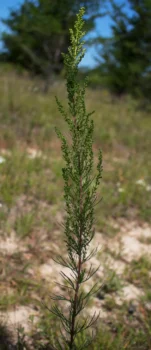
Field sagewort has a delicate, wispy appearance with fine, silvery-green foliage that gives it an almost ethereal quality. The flowers are small and greenish-yellow—not showy, but they get the job done when it comes to attracting pollinators. The overall effect is subtle and naturalistic, perfect for gardeners who prefer understated beauty over bold statements.
Perfect Garden Spots for Field Sagewort
This adaptable native works well in several garden styles:
- Prairie and meadow gardens: Blends beautifully with native grasses and wildflowers
- Xeriscaping: Ideal for water-wise landscapes
- Naturalized areas: Perfect for that wild look in low-maintenance zones
- Native plant gardens: A must-have for authentic regional plantings
- Coastal gardens: Tolerates sandy, well-drained soils
Growing Field Sagewort Successfully
The good news? Field sagewort is refreshingly easy to grow. Here’s how to keep it happy:
Ideal Growing Conditions
- Sunlight: Full sun (6+ hours daily)
- Soil: Well-drained soil is essential—this plant hates wet feet
- Water: Drought-tolerant once established; avoid overwatering
- pH: Adaptable to various soil pH levels
Planting and Care Tips
- When to plant: Spring or fall work best
- Spacing: Give plants room to spread naturally
- Watering: Water regularly the first year, then let nature take over
- Fertilizing: Usually unnecessary—this plant prefers lean soil
- Maintenance: Cut back in late winter if desired; self-seeds readily
- Division: May need dividing every 3-4 years if it gets too aggressive
Wildlife and Pollinator Benefits
While field sagewort might look modest, it’s actually quite the wildlife magnet. The small flowers provide nectar for various beneficial insects, including native bees and butterflies. Small birds may also enjoy the seeds, and the plant provides habitat for various insects throughout the growing season.
Is Field Sagewort Right for Your Garden?
Field sagewort is perfect if you want a truly low-maintenance native that supports local wildlife without demanding constant attention. It’s ideal for gardeners who appreciate subtle beauty and want to create naturalistic landscapes that work with, rather than against, local conditions.
However, it might not be the best choice if you prefer formal gardens with neat, controlled plantings, or if you’re looking for bold, colorful flowers. This plant is all about quiet charm and ecological function over flashy appearance.
Ready to give field sagewort a try? Your local wildlife—and your low-maintenance gardening goals—will thank you for it.