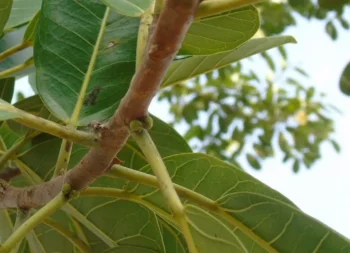
Growing Fig Plants: What Every Gardener Should Know
If you’ve been curious about adding fig plants to your garden, you’re not alone! Figs have captured the attention of gardeners across the country, though there are some important considerations to keep in mind before planting.
What Exactly Are Fig Plants?
Fig plants, scientifically known as Ficus, are perennial plants that might surprise you with their growth habit. Unlike the large fig trees many people picture, these particular fig plants are actually forb herbs – meaning they’re vascular plants without significant woody tissue above ground. Think of them as herbaceous perennials that lack the thick, woody stems you’d expect from traditional trees.
Where Fig Plants Call Home
Here’s where things get interesting with fig plants and their native status. These plants have a complex relationship with different regions across the United States. They’re considered native to Navassa Island and the U.S. Virgin Islands, but their status varies significantly elsewhere. In Hawaii, they’re non-native plants that have established themselves and reproduce without human intervention.
You’ll find fig plants growing across a surprisingly wide range of states and territories, including Alabama, California, District of Columbia, Florida, Georgia, Hawaii, Kentucky, Louisiana, Maryland, Massachusetts, Michigan, Mississippi, New Jersey, New York, North Carolina, Pennsylvania, South Carolina, Tennessee, Texas, Virginia, and various U.S. territories.
- Species observed
- No observations
Should You Plant Fig Plants?
The decision to plant fig plants depends largely on your location and gardening goals. Since their invasive status isn’t clearly defined, they occupy a somewhat neutral zone in the gardening world. However, there are a few things to consider:
- In areas where they’re non-native, consider exploring native alternatives first
- Their wide distribution suggests they’re adaptable to various conditions
- As perennial forb herbs, they offer a different growth pattern than traditional woody plants
Native Alternatives Worth Considering
If you’re looking to support local ecosystems, consider researching native forb herbs in your area. Your local native plant society or extension office can provide excellent recommendations for plants that will thrive in your specific region while supporting local wildlife.
The Bottom Line on Fig Plants
Fig plants present an interesting case study in the complexity of plant origins and distributions. While they’re established across many regions, their variable native status means gardeners should make informed decisions based on their local conditions and conservation priorities.
Unfortunately, specific growing conditions, care requirements, and wildlife benefits for these particular fig plants aren’t well-documented, which makes providing detailed cultivation advice challenging. If you’re set on growing fig plants, you might want to consult with local gardening experts who have experience with these unique herbaceous perennials in your area.
Remember, successful gardening often comes down to choosing plants that are well-suited to your local conditions and align with your gardening philosophy – whether that’s supporting native ecosystems or simply growing plants that bring you joy!