Growing the Pacific Basin Fig: A Native Treasure for Tropical Gardens
If you’re gardening in the tropical Pacific and looking for a native tree that combines beauty with ecological value, let me introduce you to Ficus prolixa, commonly known simply as the fig. This Pacific Basin native brings the classic appeal of tropical figs to your landscape while supporting local ecosystems.
Meet Your New Favorite Pacific Native
Ficus prolixa goes by a few names depending on where you are. While most folks call it simply fig, in Palau it’s known as lulk. This tree is a true Pacific Basin native, naturally occurring in Guam and Palau, making it a perfect choice for gardeners in these regions who want to embrace their local flora.
- Species observed
- No observations
Why You’ll Love This Pacific Fig
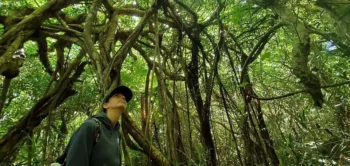
This fig brings that unmistakable tropical vibe to your garden with its broad, glossy leaves and the potential for developing those dramatic aerial roots that make ficus trees so architecturally interesting. It’s like having a piece of natural Pacific history right in your backyard!
As a medium-sized tree, Ficus prolixa works beautifully as a specimen plant or shade tree. It’s particularly well-suited for:
- Tropical and subtropical garden designs
- Coastal landscapes where it can handle the ocean breeze
- Native plant gardens focused on Pacific Basin species
- Areas where you need reliable shade and year-round greenery
The Wildlife Connection
Like all figs, Ficus prolixa has a fascinating relationship with tiny fig wasps. These specialized pollinators ensure the tree can reproduce, creating a perfect example of nature’s intricate partnerships. By growing this native fig, you’re supporting these important ecological relationships that have evolved over thousands of years.
Growing Conditions: Keeping Your Fig Happy
Since this is a tropical Pacific native, Ficus prolixa thrives in USDA hardiness zones 10-12. If you’re outside these zones, this tree unfortunately won’t survive your winters outdoors.
For optimal growth, provide your fig with:
- Full sun to partial shade (it’s quite adaptable)
- Well-draining soil that doesn’t stay waterlogged
- Regular watering, especially during dry periods
- Protection from strong winds when young
Planting and Care Tips
Getting your Pacific fig established is straightforward if you follow a few key steps:
Planting: Choose a spot with enough room for the tree to mature – figs can get quite substantial over time. Plant in well-amended soil and water thoroughly after planting.
Ongoing Care: Regular watering during the first few years helps establish a strong root system. Once mature, these trees are relatively drought-tolerant but appreciate consistent moisture.
Pruning: Shape your tree when young to encourage good structure. Remove any dead or crossing branches, and don’t be afraid to prune for size if needed – figs respond well to pruning.
Is This Fig Right for Your Garden?
Ficus prolixa is an excellent choice if you’re gardening in its native range and want to embrace local biodiversity. It offers reliable tropical beauty, supports native wildlife, and connects your garden to the natural heritage of the Pacific Basin.
However, remember that this is strictly a tropical tree. If you’re not in zones 10-12, you’ll need to look for alternatives better suited to your climate. For Pacific Basin gardeners, though, this native fig represents a wonderful opportunity to grow something truly special and ecologically valuable.
By choosing Ficus prolixa, you’re not just adding another pretty tree to your landscape – you’re participating in the preservation of Pacific Basin’s unique plant heritage while creating habitat for native wildlife. Now that’s what I call gardening with purpose!