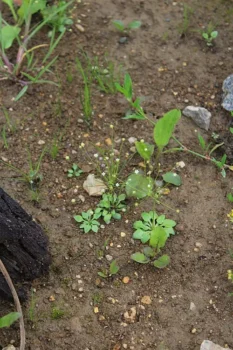
Filiform Rockjasmine: A Delicate Native Annual for Western Gardens
Meet filiform rockjasmine (Androsace filiformis), a charming little native that proves good things really do come in small packages! This dainty annual might not shout for attention like some showier garden plants, but it has a quiet elegance that makes it perfect for gardeners who appreciate subtle beauty and want to support their local ecosystem.
What Makes Filiform Rockjasmine Special?
Filiform rockjasmine is a true native of the American West, naturally occurring across eight states: California, Colorado, Idaho, Montana, Oregon, Utah, Washington, and Wyoming. As an annual forb (that’s garden-speak for a non-woody herbaceous plant), it completes its entire life cycle in just one growing season, making it a fascinating addition to gardens that change from year to year.
- Species observed
- No observations
This little plant forms low-growing rosettes adorned with tiny white flowers that have five delicate petals. Don’t expect a dramatic height – filiform rockjasmine stays close to the ground, making it perfect for filling in gaps and creating subtle carpets of bloom.
Where Does Filiform Rockjasmine Shine?
If you’re wondering whether this plant belongs in your garden, consider these ideal growing situations:
- Rock gardens: Its low profile and delicate flowers complement larger alpine plants beautifully
- Native plant gardens: Perfect for gardeners committed to supporting local wildlife and ecosystems
- Xeriscapes: Once established, it’s quite drought-tolerant, making it suitable for water-wise landscapes
- Alpine gardens: Mimics its natural mountain habitat
- Naturalized areas: Great for letting portions of your yard return to a more wild state
Growing Conditions That Make It Happy
Filiform rockjasmine is surprisingly adaptable and thrives in USDA hardiness zones 3-8. Here’s what it needs to flourish:
- Sunlight: Full sun to partial shade
- Soil: Well-draining soil is essential – soggy conditions are this plant’s nemesis
- Water: Drought-tolerant once established, but avoid overwatering at all costs
- Special note: It’s classified as facultative wetland in western regions, meaning it usually grows in wetlands but can handle drier conditions too
Planting and Care Tips
The beauty of filiform rockjasmine lies in its simplicity. Here’s how to grow it successfully:
- Timing: Direct seed in fall for best results – this mimics natural conditions
- Soil prep: Ensure excellent drainage; amend heavy clay soils with sand or gravel
- Maintenance: Once established, it’s wonderfully low-maintenance
- Watering: Water sparingly – remember, this plant prefers to be on the dry side
- Self-seeding: As an annual, it may self-seed if conditions are right, giving you lovely surprises next year
Wildlife and Pollinator Benefits
While small, filiform rockjasmine punches above its weight when it comes to supporting local wildlife. Its delicate flowers attract small native bees and other tiny pollinators that often get overlooked in larger, showier gardens. By including this native plant, you’re providing crucial resources for these important but often forgotten garden visitors.
Is Filiform Rockjasmine Right for Your Garden?
This plant is ideal for gardeners who:
- Want to support native ecosystems and wildlife
- Appreciate subtle, delicate beauty over bold statements
- Are working with well-draining, drier soils
- Love rock gardens, alpine gardens, or naturalized spaces
- Prefer low-maintenance plants that don’t require constant attention
However, if you’re looking for a plant that provides instant drama, significant height, or thrives in constantly moist conditions, you might want to consider other native options instead.
Filiform rockjasmine may be small, but it’s a wonderful example of how native plants can add both beauty and ecological value to our gardens. Give this charming little annual a try – you might be surprised by how much personality it packs into such a petite package!