Fimbry: A Wetland Sedge for Water-Loving Gardeners
If you’re looking to add some grass-like texture to your wetland garden or rain garden, you might have come across fimbry (Fimbristylis littoralis). This unassuming little sedge has quietly made itself at home across much of the southern and coastal United States, thriving in wet spots where many other plants fear to tread.
What Exactly Is Fimbry?
Fimbry is an annual sedge that belongs to the grass-like plant family. Don’t let the annual label fool you though – this resilient little plant has a knack for self-seeding and returning year after year in suitable conditions. It’s one of those plants that gardeners either love for its adaptability or overlook entirely due to its modest appearance.
Where Does Fimbry Come From?
Here’s where things get interesting: fimbry isn’t actually native to most of the United States. Originally from the Pacific Basin (though not Hawaii), this sedge has naturalized across a impressive range of states including Alabama, Arkansas, California, Florida, Georgia, Hawaii, Kentucky, Louisiana, Mississippi, Missouri, North Carolina, Pennsylvania, South Carolina, Tennessee, and Texas, plus several territories.
- Species observed
- No observations
While it’s established itself as a non-native species that reproduces on its own in the wild, fimbry isn’t currently listed as invasive or noxious in most areas. However, if you’re committed to native-only gardening, you might want to consider native sedge alternatives instead.
What Does Fimbry Look Like?
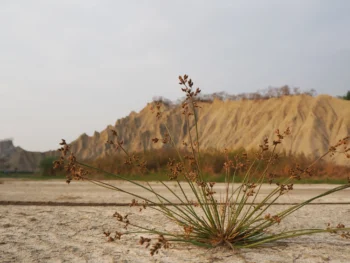
Fimbry won’t win any beauty contests, but it has its own subtle charm. This grass-like plant produces thin, wiry stems topped with small, brownish seed heads. It’s the kind of plant that blends into the background, providing texture and movement rather than bold visual impact. Think of it as nature’s version of minimalist design.
Where Does Fimbry Like to Grow?
If there’s one thing fimbry absolutely loves, it’s water. This plant is classified as an obligate wetland species in most regions, meaning it almost always occurs in wetlands. It thrives in:
- Soggy, saturated soils
- Pond margins and stream edges
- Rain gardens and bioswales
- Areas with seasonal flooding
- Full sun to partial shade conditions
Fimbry is suited for USDA hardiness zones 8-11, though as an annual that readily self-seeds, it may pop up in slightly cooler areas if conditions are right.
Should You Plant Fimbry in Your Garden?
The answer depends on what you’re trying to achieve. Fimbry might be right for you if:
- You have a consistently wet area that’s difficult to plant
- You’re creating a naturalistic wetland garden
- You want low-maintenance plants for rain gardens or bioswales
- You appreciate subtle, grass-like textures in the landscape
However, you might want to skip fimbry if:
- You’re committed to using only native plants
- You prefer plants with showy flowers or bold foliage
- Your garden tends toward the dry side
- You want plants that provide significant wildlife benefits
Growing Fimbry Successfully
The good news is that fimbry is remarkably easy to grow – if you have the right conditions. Here’s how to succeed with this wetland sedge:
Planting: Start with seeds or small plants in early spring. Fimbry isn’t picky about soil type as long as it stays consistently moist to wet.
Watering: This is the easy part – fimbry actually prefers to have wet feet and can tolerate standing water that would kill most garden plants.
Maintenance: Minimal care required. Allow plants to self-seed if you want them to return next year, or collect seeds if you want to control where new plants appear.
Companion Plants: Fimbry pairs well with other wetland plants like native sedges, rushes, and moisture-loving wildflowers.
Native Alternatives to Consider
If you love the idea of grass-like wetland plants but prefer to stick with natives, consider these alternatives:
- Native Carex species (sedges) appropriate to your region
- Juncus species (rushes) for similar texture
- Regional native grasses that tolerate wet conditions
The Bottom Line on Fimbry
Fimbry is one of those plants that fills a specific niche beautifully. While it may not be native to most areas where it now grows, it’s also not causing ecological havoc. If you have a wet spot that needs covering and you appreciate understated plant choices, fimbry might just be the humble hero your garden needs. Just remember to consider native alternatives first – your local wildlife will thank you for it.