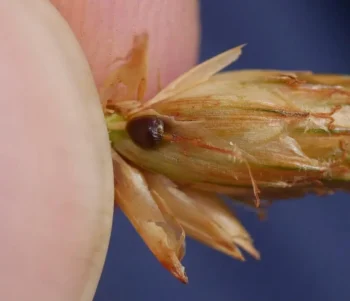
Fimbry: A Humble Pacific Island Sedge for Your Tropical Garden
If you’re looking for a low-key, authentic touch of Pacific island flora, meet fimbry (Fimbristylis tristachya) – a modest little sedge that might not win any beauty contests but certainly earns its keep in the right garden setting. This unassuming grass-like plant brings a bit of island authenticity to your landscape, especially if you’re gardening in tropical or subtropical climates.
What Exactly Is Fimbry?
Fimbry belongs to the sedge family (Cyperaceae), making it a cousin to grasses but with its own distinctive personality. Like other sedges, it’s a hardy, grass-like plant that tends to mind its own business while quietly doing important ecological work. Don’t expect showy flowers – fimbry produces small, brownish clusters that are more functional than fabulous.
Where Does Fimbry Call Home?
This little sedge is native to the Pacific Basin, specifically found growing naturally in Guam and Palau. It’s adapted to the tropical island life, which gives us some good clues about what it needs to thrive in cultivation.
- Species observed
- No observations
Why You Might Want Fimbry in Your Garden
Fimbry isn’t going to be the star of your garden show, but it has some solid qualities that make it worth considering:
- Authentic island character: If you’re creating a Pacific island-inspired landscape, fimbry adds genuine native authenticity
- Wetland flexibility: With its facultative wetland status, it can handle both wet and moderately dry conditions
- Low maintenance: Once established, sedges like fimbry typically require minimal care
- Erosion control: Its root system can help stabilize soil in problem areas
- Naturalistic appeal: Perfect for creating natural-looking, unfussy garden areas
Growing Conditions and Care
Fimbry is best suited for tropical and subtropical gardens (USDA zones 10-12). Here’s what this island native prefers:
- Moisture: Thrives in moist to wet soils but can tolerate some drying out
- Light: Full sun to partial shade
- Soil: Adaptable to various soil types, especially those that retain some moisture
- Climate: Warm, humid conditions similar to its Pacific island origins
Where Fimbry Fits in Your Landscape
This sedge works best in specific garden situations rather than as a general-purpose ornamental:
- Rain gardens: Excellent for areas that collect water runoff
- Pond edges: Natural choice for transitioning from water to dry land
- Naturalized areas: Perfect for low-maintenance, wild-looking spaces
- Tropical theme gardens: Adds authentic Pacific island character
- Erosion-prone slopes: Helps stabilize soil with its root system
Planting and Care Tips
Fimbry is refreshingly straightforward to grow if you can meet its basic needs:
- Plant in spring or early summer when temperatures are consistently warm
- Ensure consistent moisture, especially during establishment
- Mulch around plants to retain soil moisture
- Little to no fertilization needed – sedges prefer lean conditions
- Minimal pruning required; remove dead foliage as needed
Wildlife and Pollinator Considerations
Like most sedges, fimbry is wind-pollinated rather than insect-pollinated, so it won’t be a major pollinator magnet. However, sedges do provide habitat and food sources for various small wildlife, and their seeds can feed birds.
Is Fimbry Right for Your Garden?
Fimbry is definitely a niche plant rather than a mainstream garden choice. Consider it if you’re gardening in a tropical climate, want authentic Pacific island plants, need something for wet or variable moisture conditions, or are creating naturalistic landscapes. Skip it if you’re looking for showy ornamental impact or gardening outside of tropical zones.
This humble sedge may not be flashy, but for the right garden situation, fimbry offers genuine island character and reliable, low-maintenance performance. Sometimes the best plants are the ones that simply do their job well without demanding too much attention.