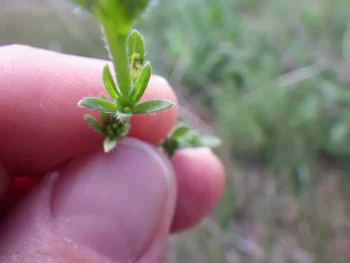
Finebranched Popcornflower: A Delicate Native Wildflower for Wet Spaces
If you’re looking for a charming native wildflower that thrives in those tricky wet spots in your garden, let me introduce you to the finebranched popcornflower (Plagiobothrys leptocladus). This delicate annual might not be the showiest plant in your garden, but it’s a hardworking native that brings both beauty and ecological benefits to the right setting.
What is Finebranched Popcornflower?
Finebranched popcornflower is a native annual forb that belongs to the forget-me-not family. As its name suggests, this plant has a delicate, finely branched structure that creates an airy, almost ethereal appearance in the garden. The small white flowers cluster along the stems, resembling tiny kernels of popped corn – hence the charming common name.
This herbaceous plant lacks woody tissue and completes its entire life cycle in a single growing season. You might also see it listed under its synonyms Allocarya leptoclada or Plagiobothrys orthocarpus in older gardening references.
Where Does It Grow Naturally?
Finebranched popcornflower is truly a western native, naturally occurring across ten states: California, Idaho, Montana, Nevada, North Dakota, Oregon, South Dakota, Utah, Washington, and Wyoming. This wide distribution shows just how adaptable this little plant can be across different climate zones and growing conditions.
- Species observed
- No observations
Why Consider Growing Finebranched Popcornflower?
Here’s where this unassuming native really shines – it’s a moisture-loving plant that can handle conditions that challenge many other garden favorites. In the Arid West, it’s classified as an obligate wetland plant, meaning it almost always grows in wet conditions. In other regions, it’s a facultative wetland plant, usually preferring wet spots but tolerating drier conditions.
This makes finebranched popcornflower perfect for:
- Rain gardens and bioswales
- Pond edges and stream banks
- Low-lying areas that stay moist
- Native plant restoration projects
- Naturalized wildflower meadows
Aesthetic Appeal and Garden Role
While finebranched popcornflower won’t stop traffic with bold, showy blooms, it offers a subtle charm that’s perfect for naturalized settings. The small white flowers create a delicate carpet effect, and the fine branching pattern adds texture and movement to plantings. It typically grows 6-24 inches tall with a spreading habit that works well as a seasonal ground cover.
This plant works best in informal, naturalistic garden designs rather than formal flower borders. Think cottage garden edges, wildflower meadows, or as part of a diverse native plant community where it can mingle with grasses and other wildflowers.
Growing Conditions and Care
The key to success with finebranched popcornflower is understanding its love for moisture. Here’s what it needs to thrive:
Soil: Prefers moist to wet soils and can tolerate seasonal flooding. It’s adaptable to different soil types as long as adequate moisture is present.
Light: Does best in full sun to partial shade. In hotter climates, some afternoon shade can be beneficial.
Hardiness: Suitable for USDA zones 3-9, depending on your specific location within its native range.
Water: Consistent moisture is essential, especially during the growing season. This isn’t a drought-tolerant plant!
Planting and Propagation Tips
Since finebranched popcornflower is an annual, you’ll be starting from seed each year – but the good news is that it often self-seeds readily once established. Here’s how to get started:
- Direct sow seeds in fall or early spring when soil is cool and moist
- Scatter seeds over prepared soil and lightly rake in – they need light to germinate
- Keep soil consistently moist during germination and establishment
- Allow some plants to go to seed for natural reseeding
- In established populations, it will often return year after year through self-seeding
Supporting Pollinators and Wildlife
Though the flowers are small, they’re perfectly sized for small native bees and other beneficial insects. As a native plant, finebranched popcornflower has co-evolved with local pollinators and provides nectar and pollen resources that support the broader ecosystem in your garden.
Is This Plant Right for Your Garden?
Finebranched popcornflower is ideal if you have consistently moist areas in your garden and want to support native ecosystems. It’s particularly valuable for gardeners interested in rain gardens, wetland restoration, or creating habitat for native pollinators.
However, this probably isn’t the right choice if you’re looking for a showy ornamental or have only dry garden spaces. Its beauty lies in its ecological function and natural charm rather than bold visual impact.
For gardeners committed to native plants and sustainable landscaping, finebranched popcornflower offers a way to turn challenging wet spots into thriving wildlife habitat while adding delicate seasonal beauty to your landscape.